
Concert Photography is rife with headaches, where scoring a contract to shoot a show is just the beginning. In concert photography we have no control over anything! The only exception is where you stand, and in some instances where you are permitted to stand!
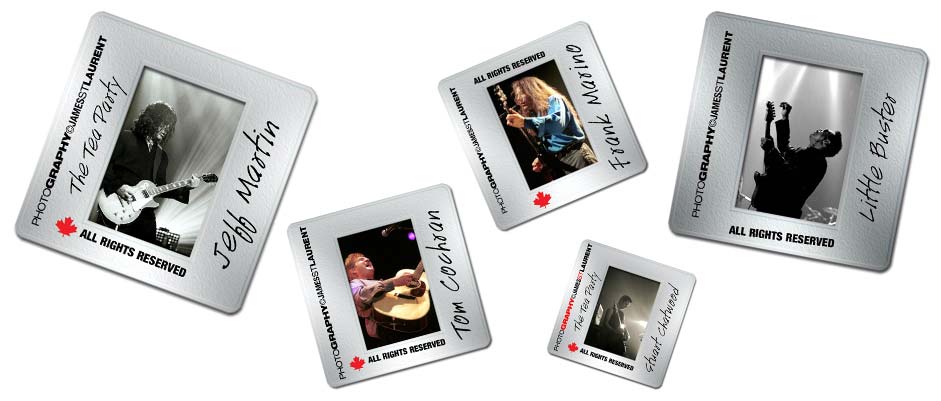
Concert Photography
Here are, what I believe to be the 10 Commandments regarding etiquette and tips to get better results when shooting concerts and some other live events.
The First Tablet!
1 • Thou Shall not use a flash
Thou shall harness all available stage light. Don’t use a flash!!! Which means that you should not use a flash!!! If you are shooting from the ‘pitt’ you are usually in close enough proximity to really annoy the musicians onstage – if you use a flash. Then there is everyone else, who after several flash bursts will get annoyed. Part of the concert experience is the light show, and a flash will pretty much obscure most traces of the lighting designers work. A subtle fill flash usually looks like a subtle fill flash, thus making it not so subtle. To repeat the cardinal rule – “Don’t use a flash”!

2 • Thou shall embrace shallow depth of field
Learn to live in the world of wide open apertures – which also means taking added care focusing. Learn to handhold a 70-200/2.8 lens wide open while tapping your foot and texting after 3 espressos!

3 • Thou shall not hog the good spot in the photo pitt
Every show at every venue with every setup and every band always has “sweet spots” to shoot from (and that spot is never at center stage). If you’re the guy with the 40 pound mono-pod – “my foot is almost healed and they say the limp will eventually go away” – be careful where you jam your monopods. Also, your elbows are not antenna’s to connect with the gods of composition – keep them lowered! The next time someone elbows me in the side of the head – he will get my 3 pound monopod as a gift (after his proctologist surgically removes it from his orifice!) Be aware of other POV’s you can shoot from. The view from a balcony or second level can give you an interesting vantage point. A lot of photographers are magically attracted to the microphone stand usually down-stage centre. Nothing is more annoying than a shot of a singer shot straight on with a mic and stand blocking a good part of their face. More often than not, the resulting images are not flattering and often appear as if the singer is trying to swallow the mic, generally this not a good or flattering look.

4 • Thou shall pay attention to the lighting [follow the spot!!]
The lighting usually has a flow within the show and each song. It’s a good source of clues. The follow spot operators are cued by a stage manager/tour manager/light board operator, who know the show sequence or script and where the focus should on stage – who should be in be “Spotlight”. That’s what you’re supposed to be paying attention to. Songs have a format and flow that can have different instruments and musicians taking the forefront for a couple of bars. Those are usually key musical peaks to the story. Often they are also contain opportunities to catch brief moments and expressions. That is not to say you can only shoot the “guy in the spotlight”, generally the lead singer spend most of the time “in front, and in the spotlight”. Some of those key moments happen when the focus shifts to another player. Nothing will ruin a shot faster that a stage bathed in red and magenta lighting – aside from tiring your eyes from prolonged use, it is got limited appeal in photos.

5 • Thou shall shoot in RAW format
Get serious. A jpg image is not your friend in this instance. If you are working for a newspaper and the deadlines are really tight, then shoot both RAW and JPG. You will always get superior results from a RAW image compared to a JPG. I’ve heard all the arguments and in my opinion anyone who even considers trying to champion shooting in JPG over RAW is dead to me. If you actually see better results in your JPG’s over your RAW’s – you are doing something critically wrong in post-processing your RAW’s!! Some simple math is that a RAW file has 4096 different intensity levels for each pixel. An 8-bit JPEG can only have 256 different intensity levels. The RAW file is what the camera sensor ‘sees’ with no alterations or modifications. It’s the highest quality data you can get! In a RAW file the white balance is a non-issue – even if you mix multiple color temperature sources. RAW processing is non-destructive, as any modification to a JPG is damaging the integrity of the pixels. In a RAW file minor exposure errors are easily adjustable and most importantly, non-destructive.
Don’t miss the conclusion : Concert Photography: The 10 Commandments • Part 2
Visit the Concert Photography Journal Gallery


