
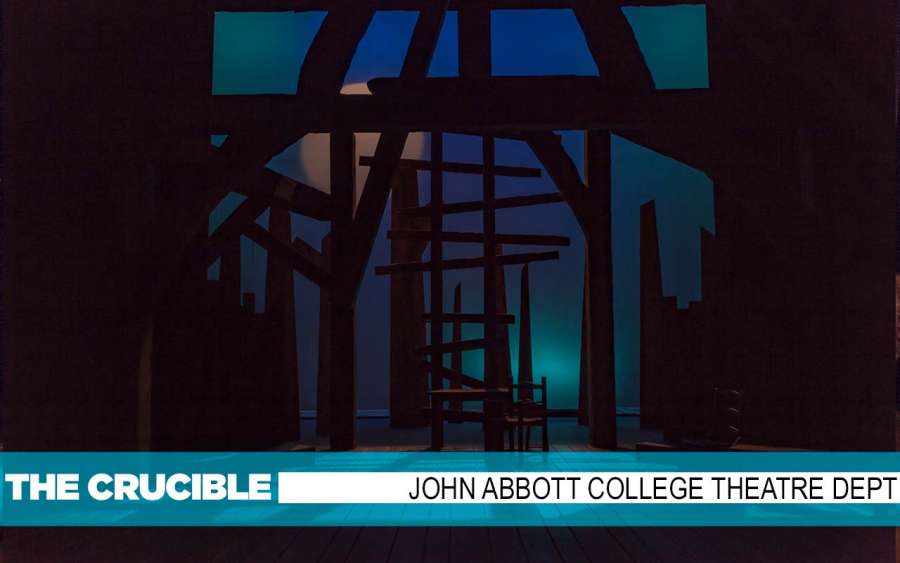
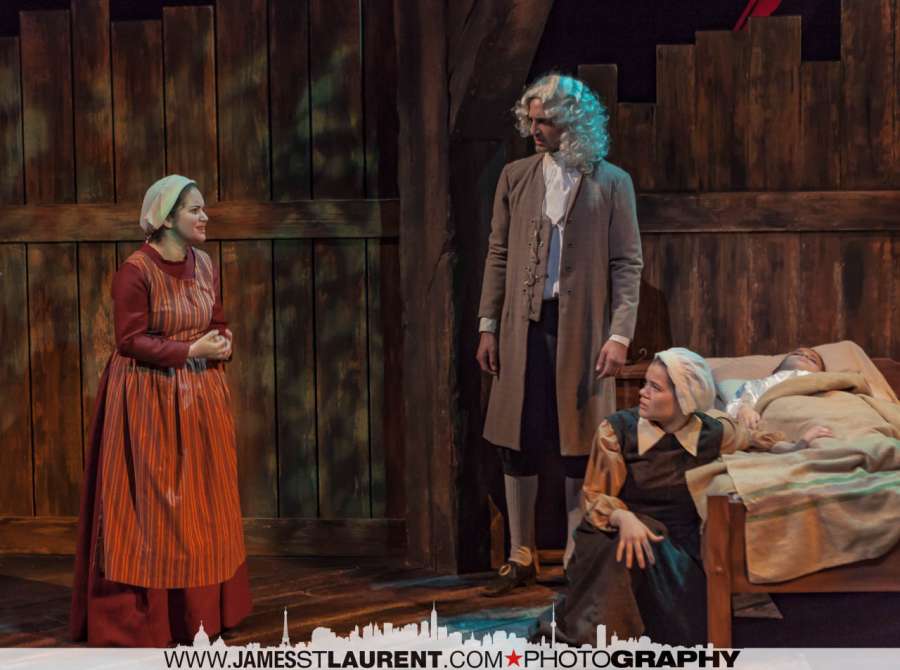
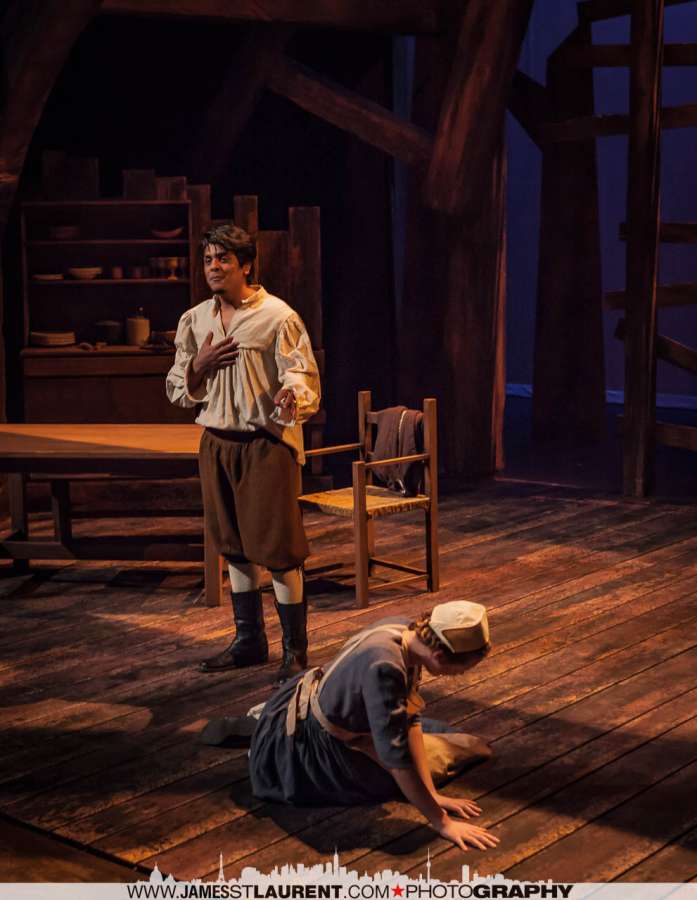
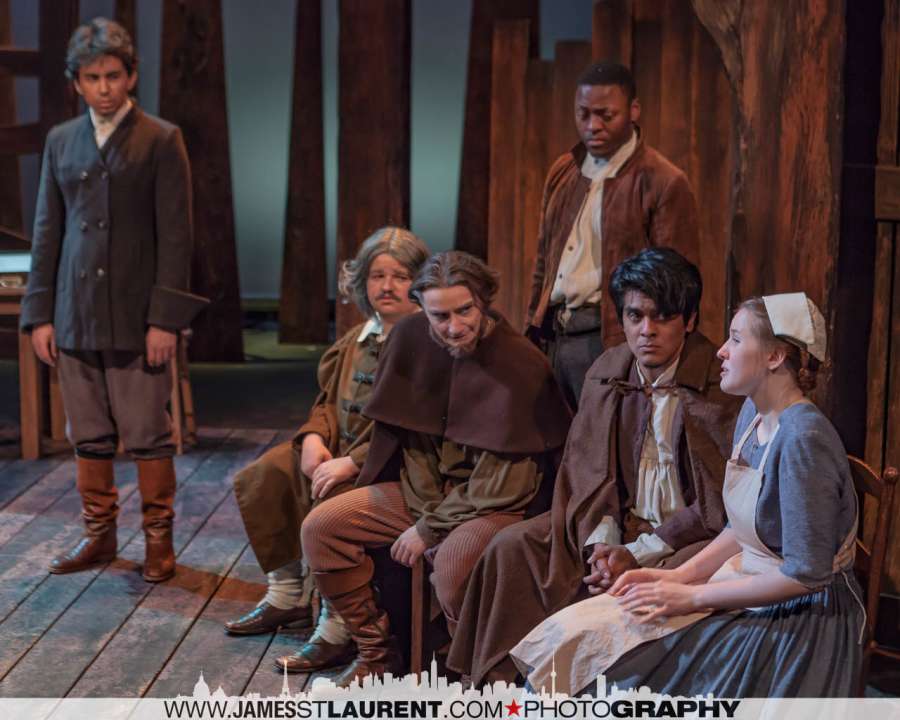
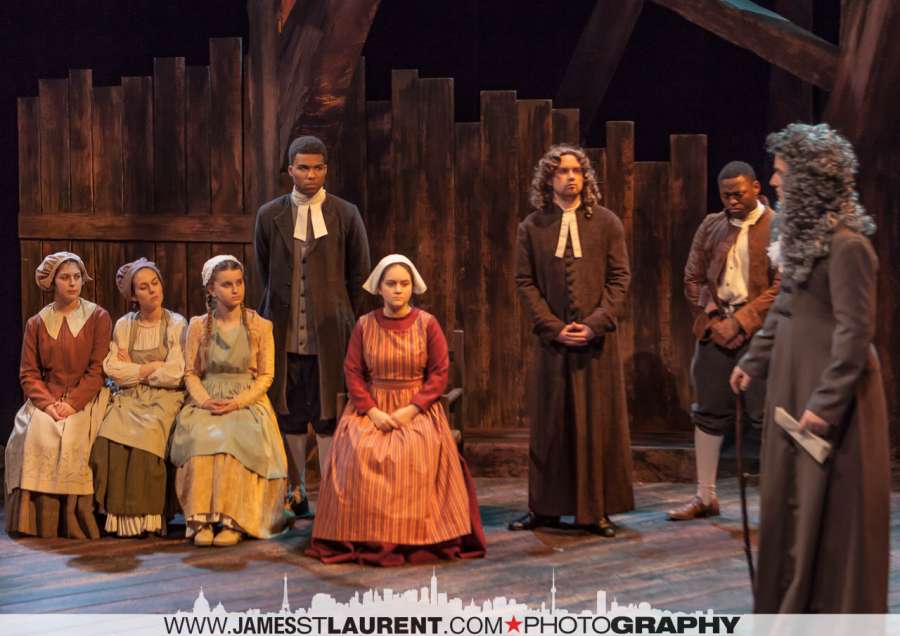
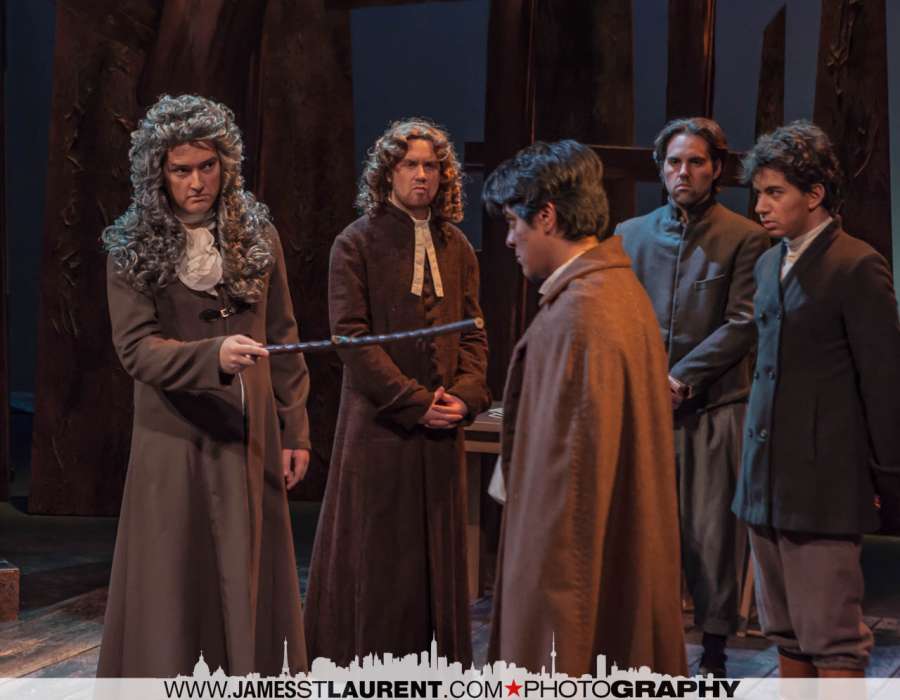
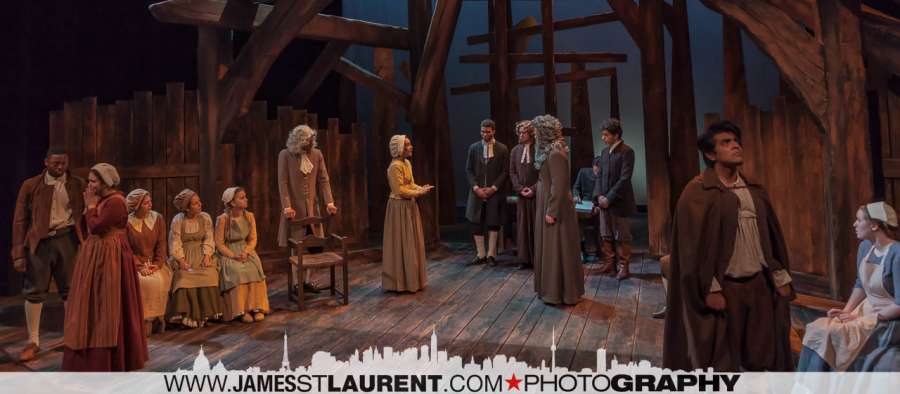
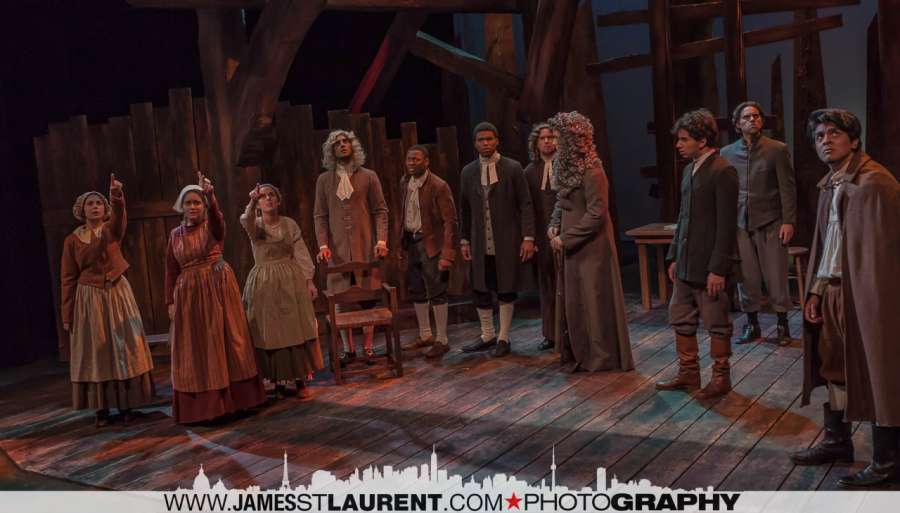
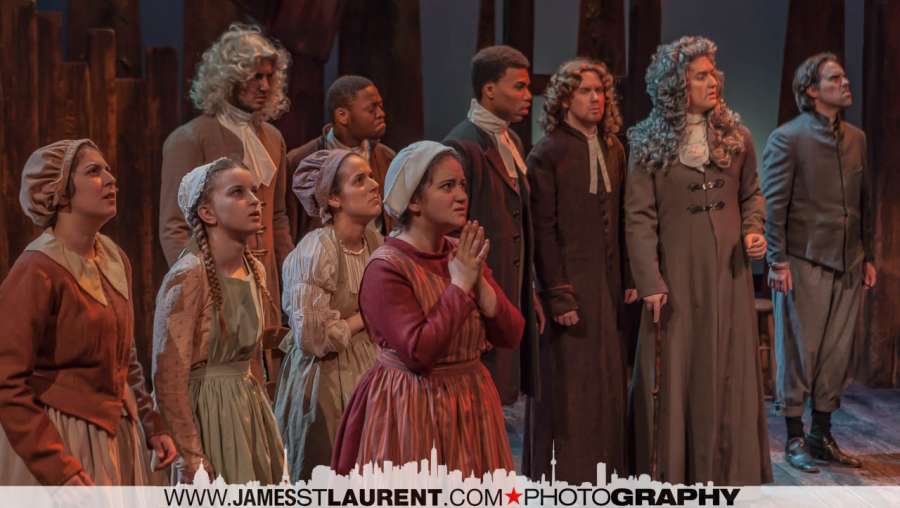
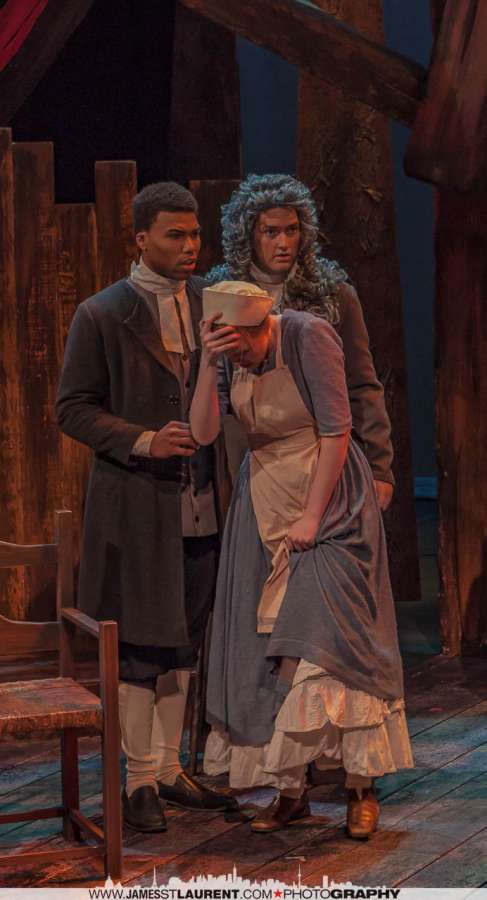
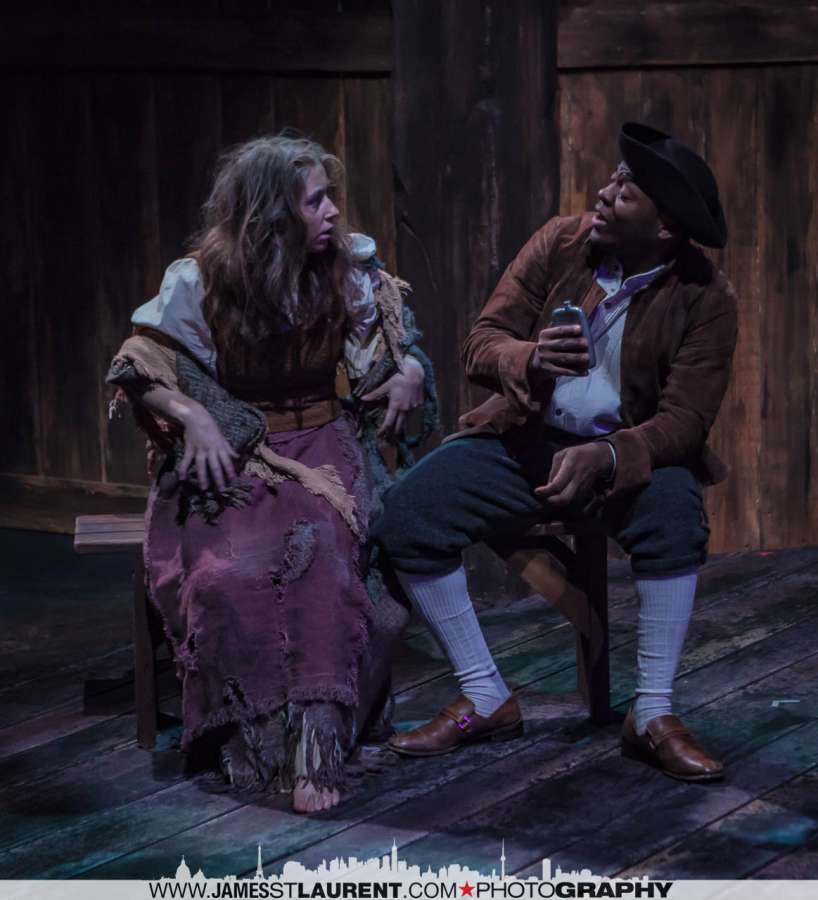
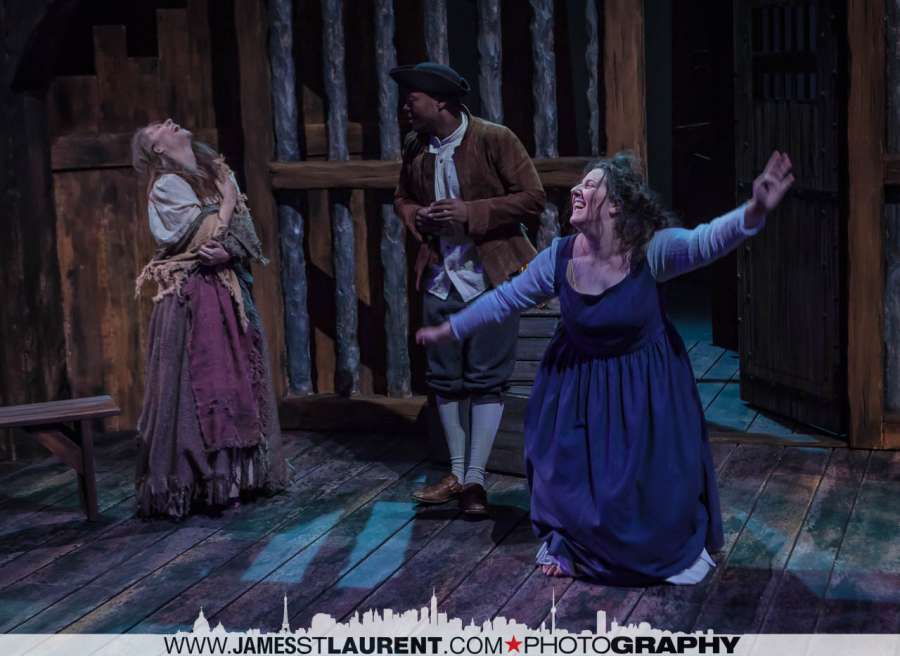
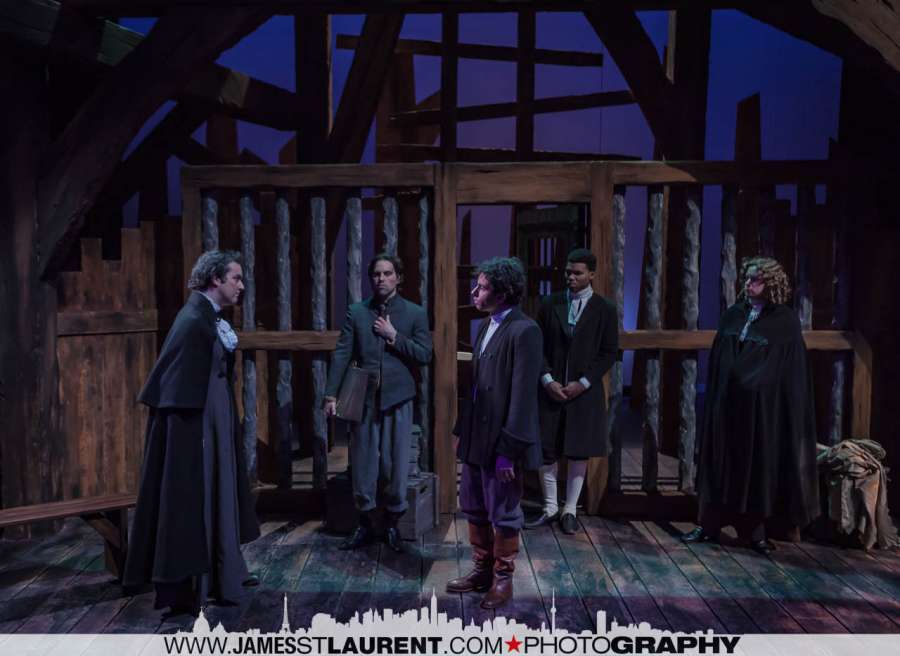
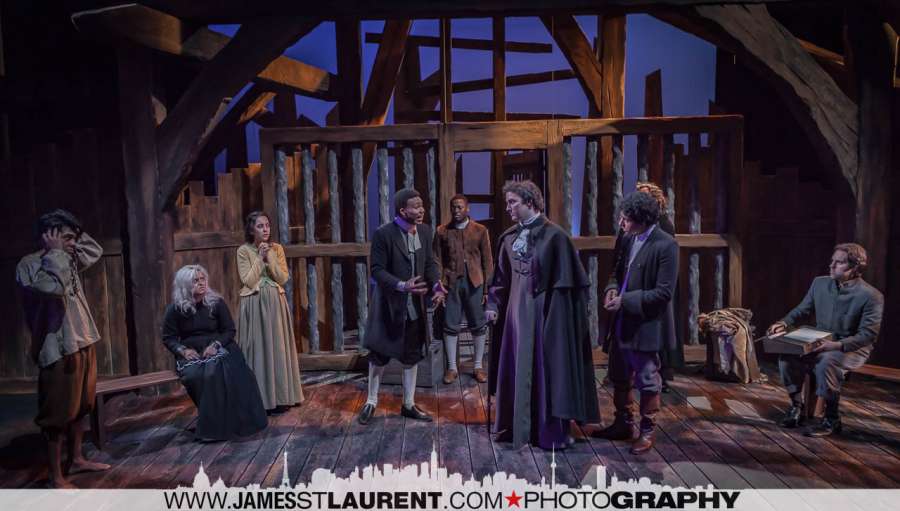
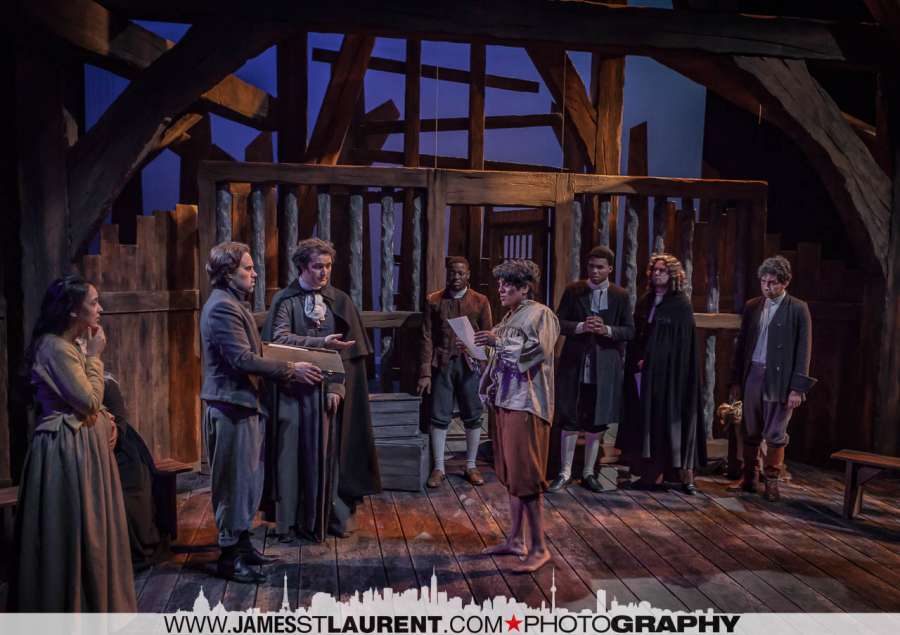
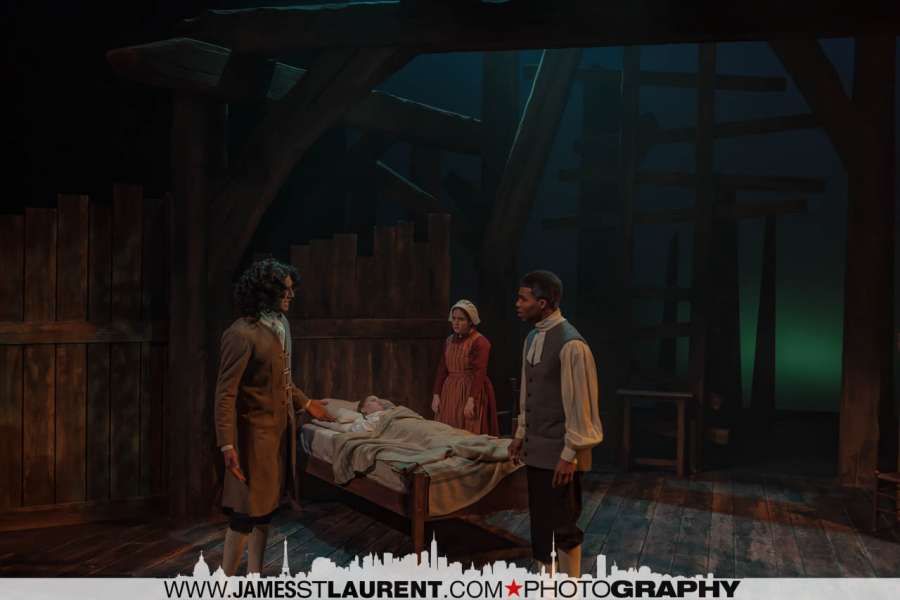
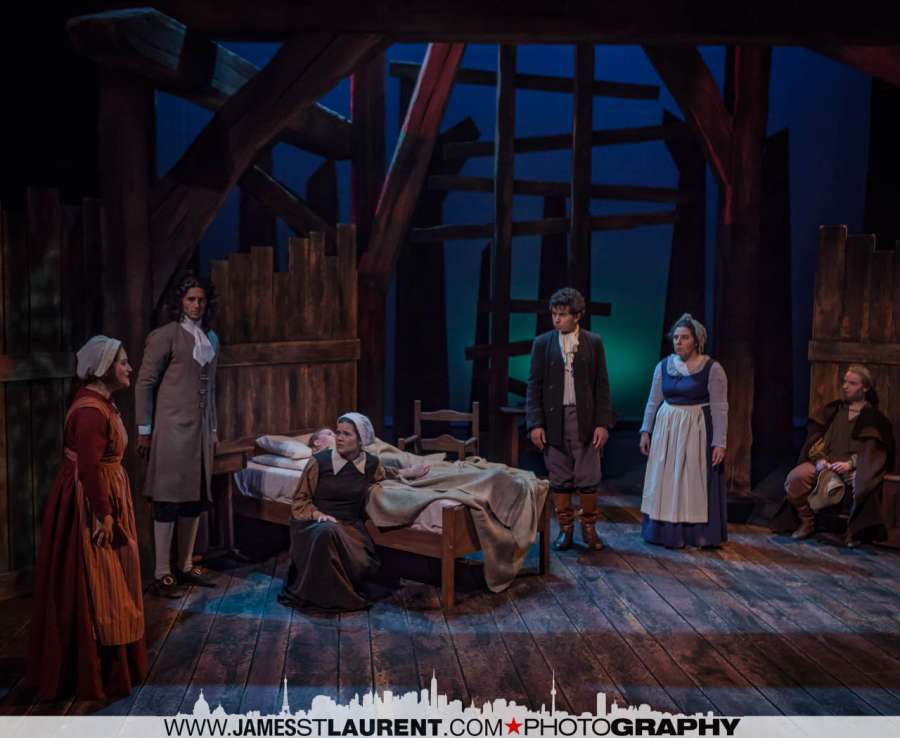
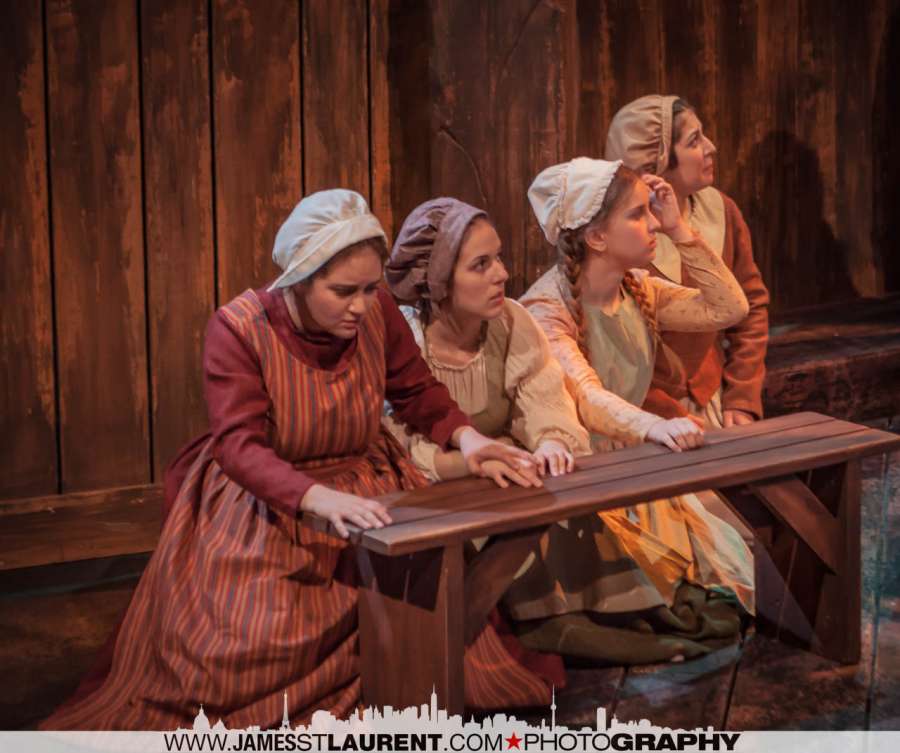
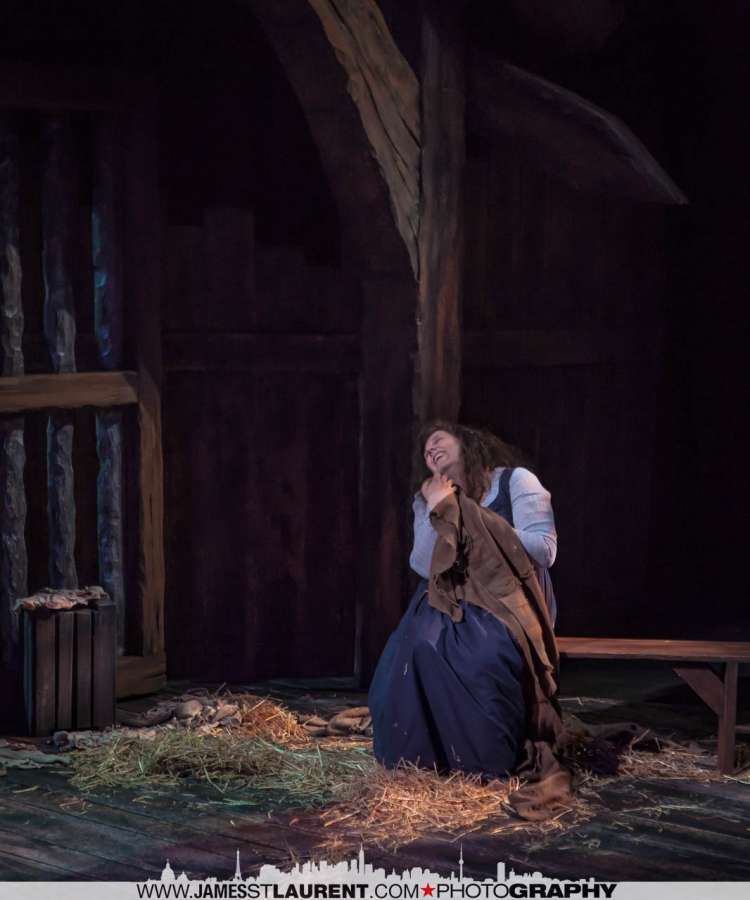
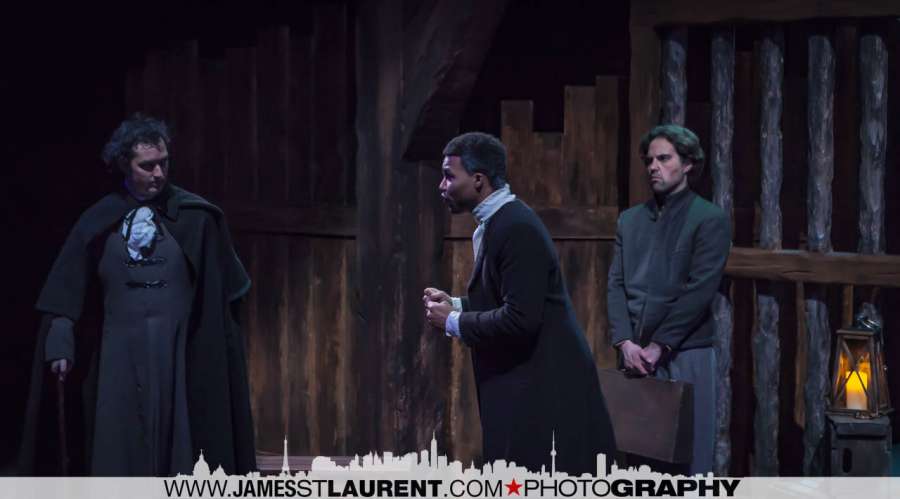
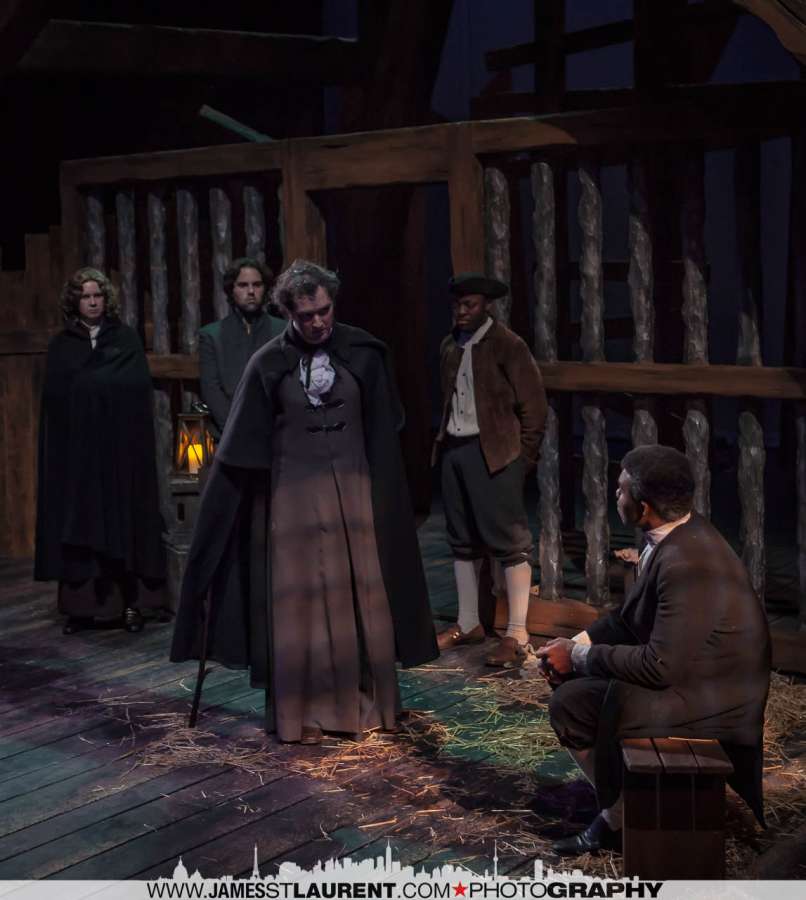
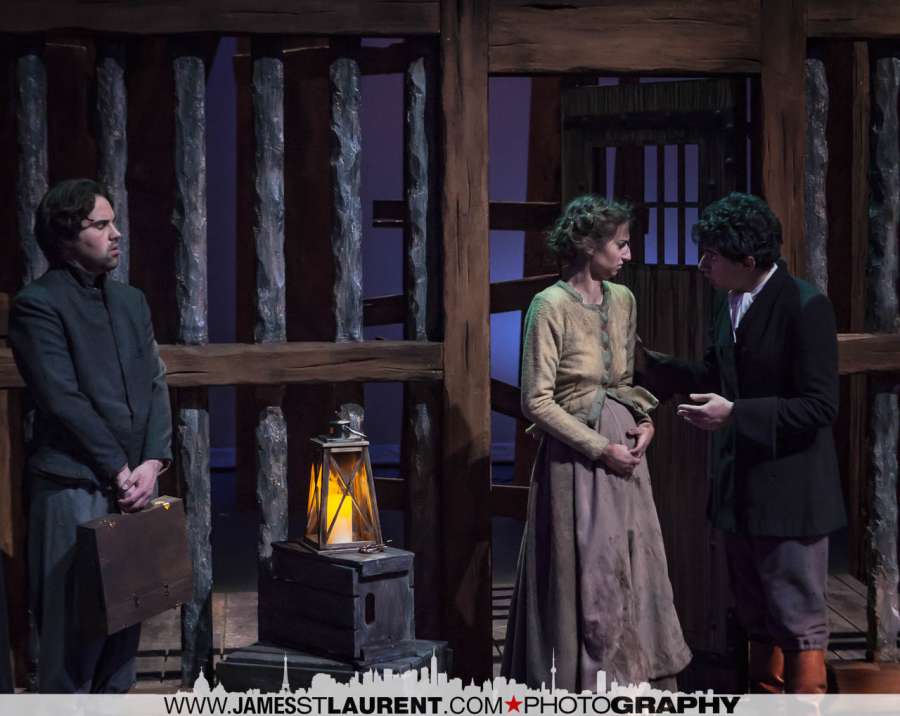
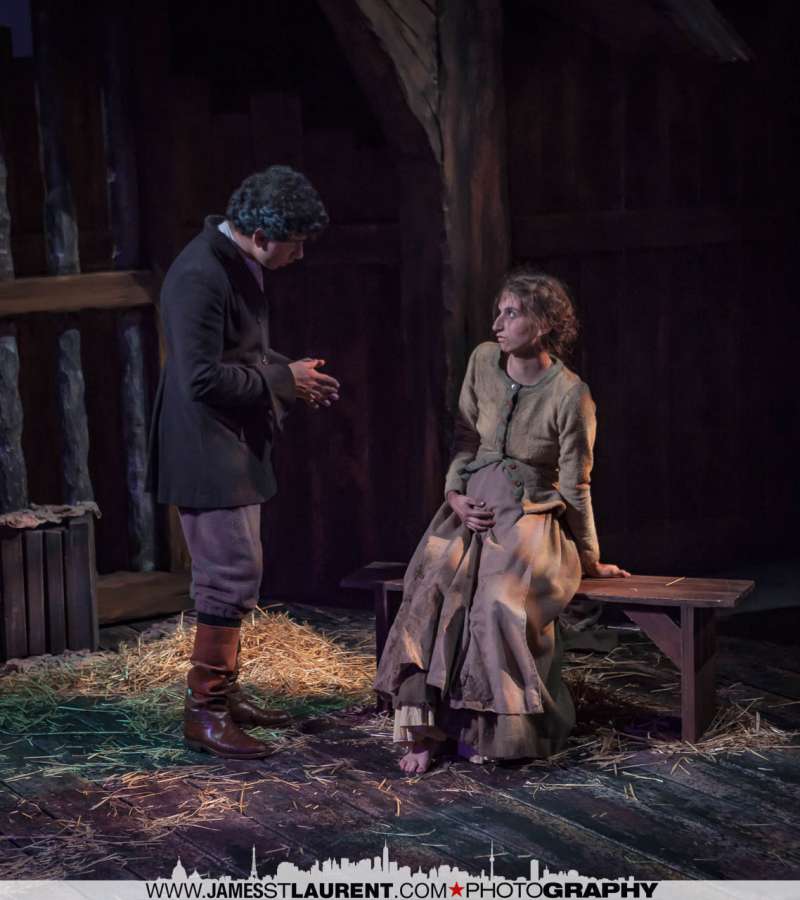
The Crucible takes place in 1692 in the small Massachusetts village of Salem, where a number of girls become ill, falling victim to hallucinations and seizure. In the extremely religious Puritan New England community, frightening or surprising occurrences were often attributed to the devil or his cohorts.

The fear of witchcraft soon had the girls, and other residents of Salem, accusing villagers of consorting with devils and casting spells. Old grudges and jealousies spilled out into the open fuelling hysteria. In this Massachusetts theocratic society, the church and the state are one, and the religion is a strict, austere form of Protestantism known as Puritanism. Because of the theocratic nature of the society, moral laws and state laws are one and the same: sin and the status of an individual’s soul are matters of public concern. There is no room for deviation from social norms, since any individual whose private life doesn’t conform to the established moral laws represents a threat not only to the public good but also to the rule of God. In Salem, everything and everyone belongs to either God or the devil; dissent is not merely unlawful, it is associated with satanic activity. Within a few weeks, dozens of people were in jail on charges of witchcraft. By late August 1692, nineteen people (and two dogs) had been convicted and hanged for witchcraft.
The Arthur Miller play, The Crucible, was written in 1953 and is a dramatized and partially fictionalized story of the Salem witch trials that took place in the Massachusetts Bay Colony during 1692/93. Written as an allegory for McCarthy era “witch hunt”, where the United States government blacklisted people for being communists. Miller, questioned by the House of Representatives’ Committee on Un-American Activities in 1956 was convicted of contempt of Congress for refusing to identify others present at meetings he had attended.
The play was first performed at the Martin Beck Theatre on Broadway on January 22, 1953, starred E. G. Marshall, Beatrice Straight and Madeleine Sherwood. Miller felt that this production was too stylized and cold but nonetheless, the production won the 1953 Tony Award for Best Play. A year later a new production succeeded and the play became an American classic.
Miller originally called the play Those Familiar Spirits before renaming it as The Crucible. The word “crucible” is defined as a severe test or trial; alternately, a container in which metals or other substances are subjected to high temperatures. The characters whose moral standards prevail in the face of death, such as John Proctor and Rebecca Nurse, symbolically refuse to sacrifice their principles or to falsely confess.
While the inspiration was the McCarthy hearings of the 1950s, The Crucible, focuses on the inconsistencies of the Salem witch trials and the extreme behaviour that can result from such dark desires and hidden agendas of political undertones that are somewhat reminiscent of current American (2017) politics.
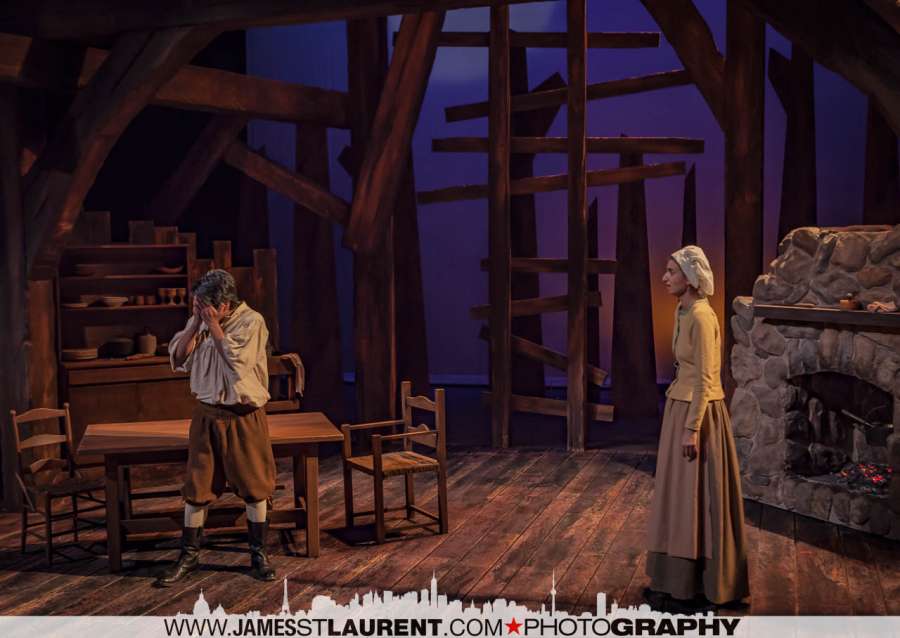
Directed by Terry Donald
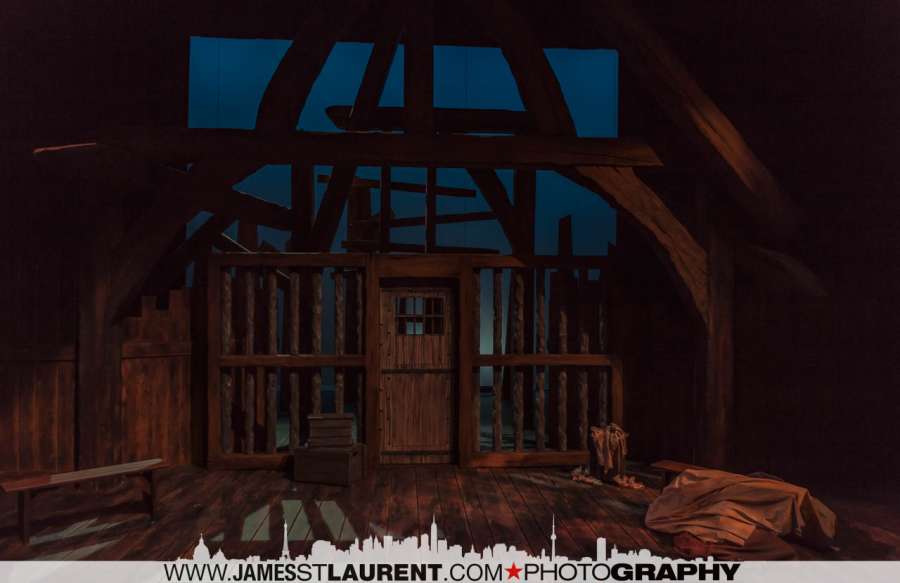
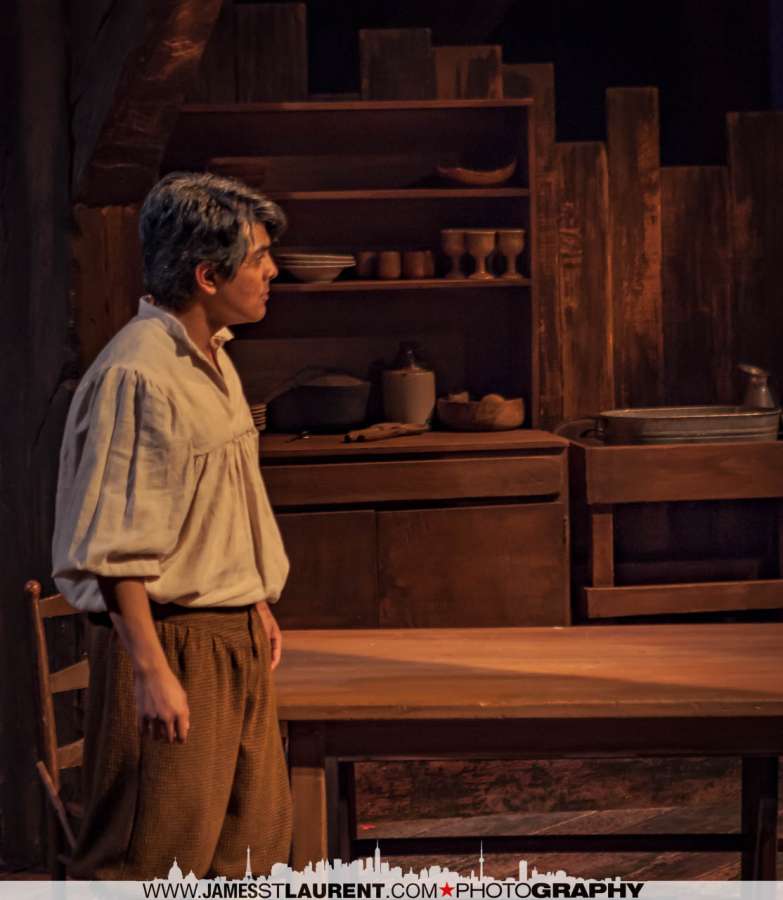
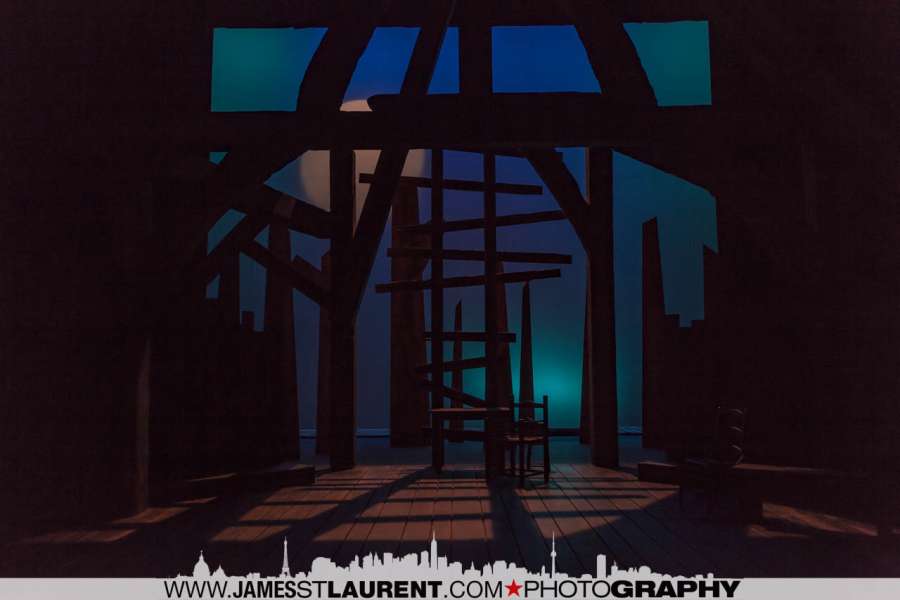
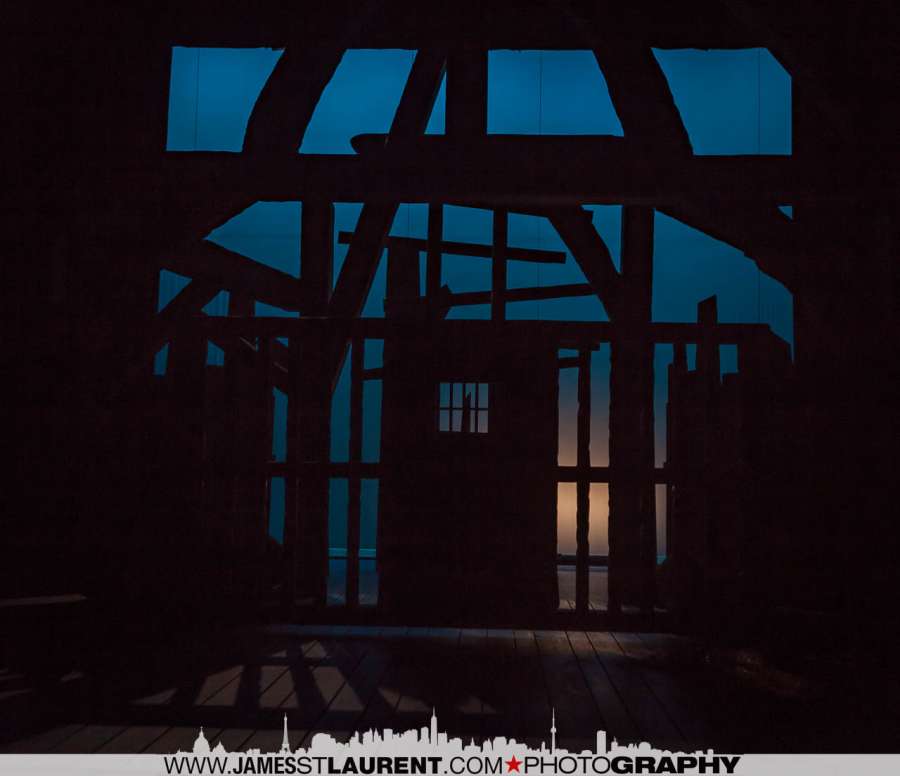
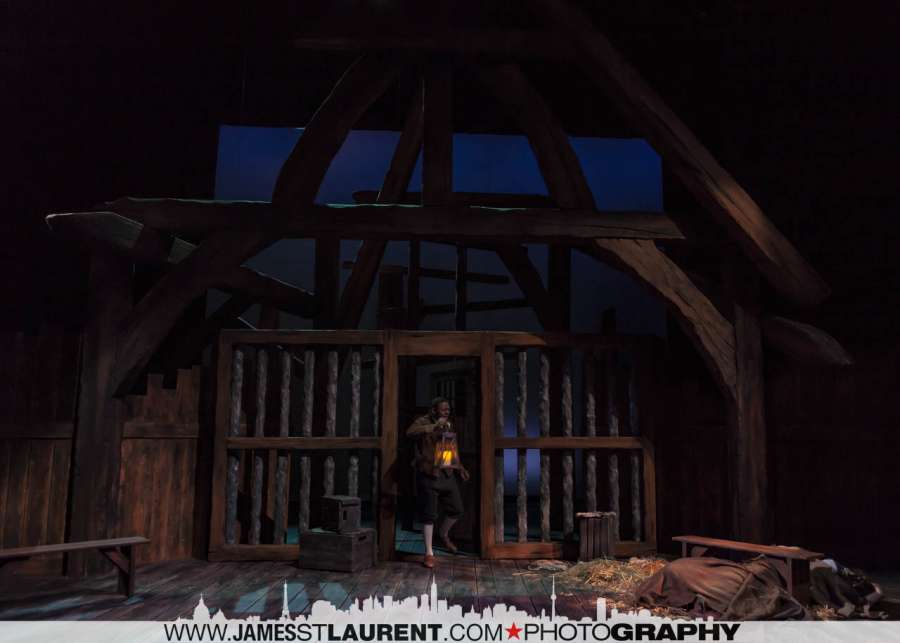
Set Design by Jason Jennings
Costume Design by Emmy Levine
Showdates: May 2nd, 3rd, 6th, 9th and 12th at 8pm
May 13th at 2 p.m.
[Click on any image to view a larger version in Lightbox mode]
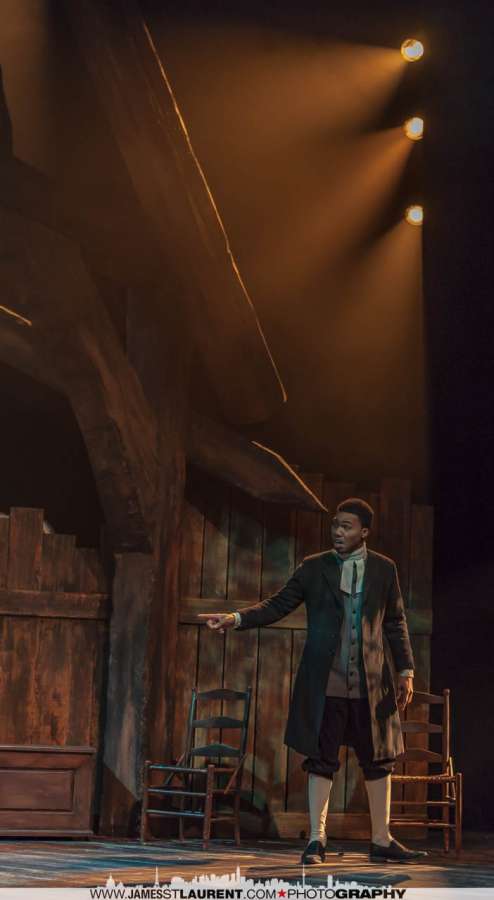
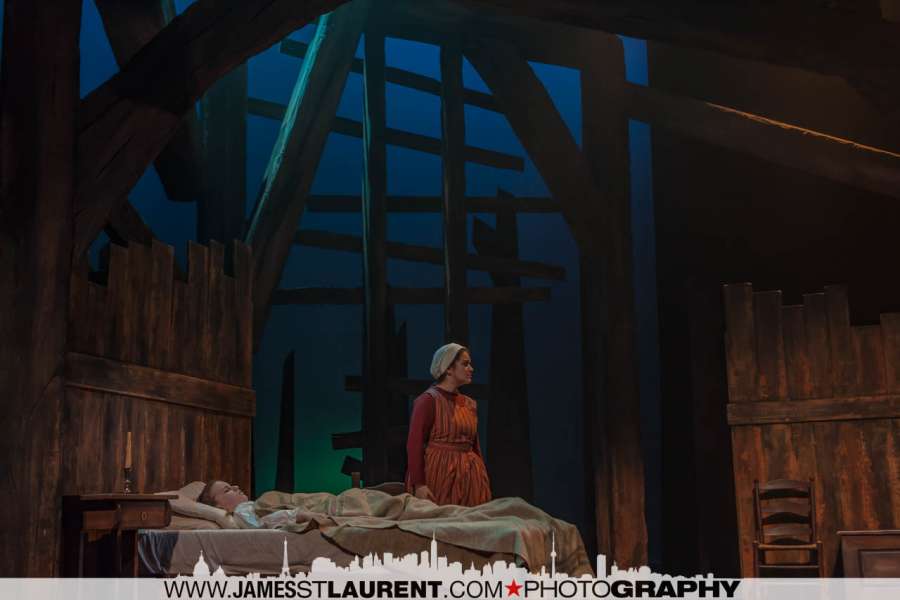
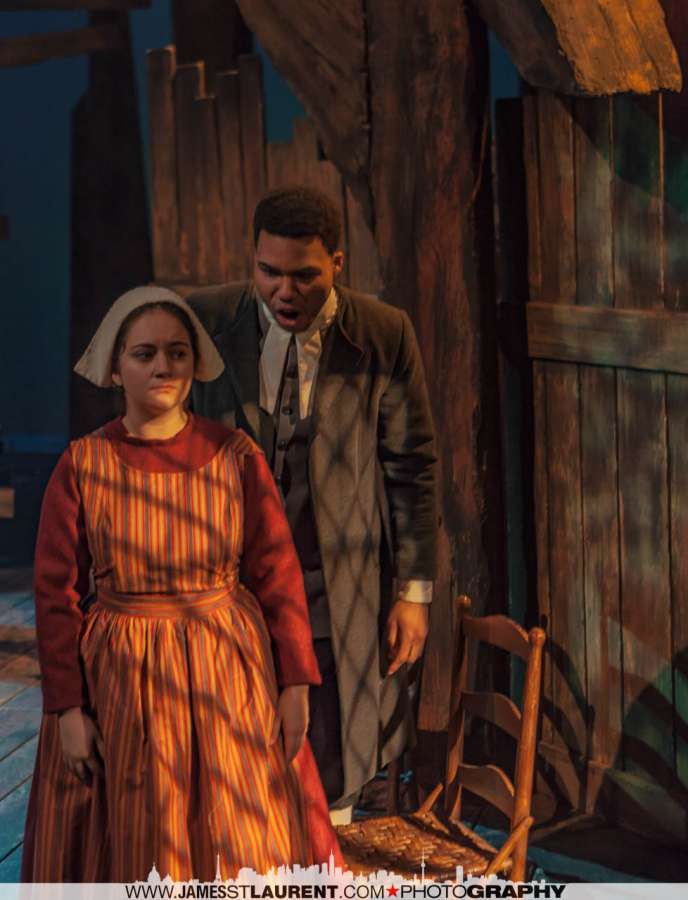
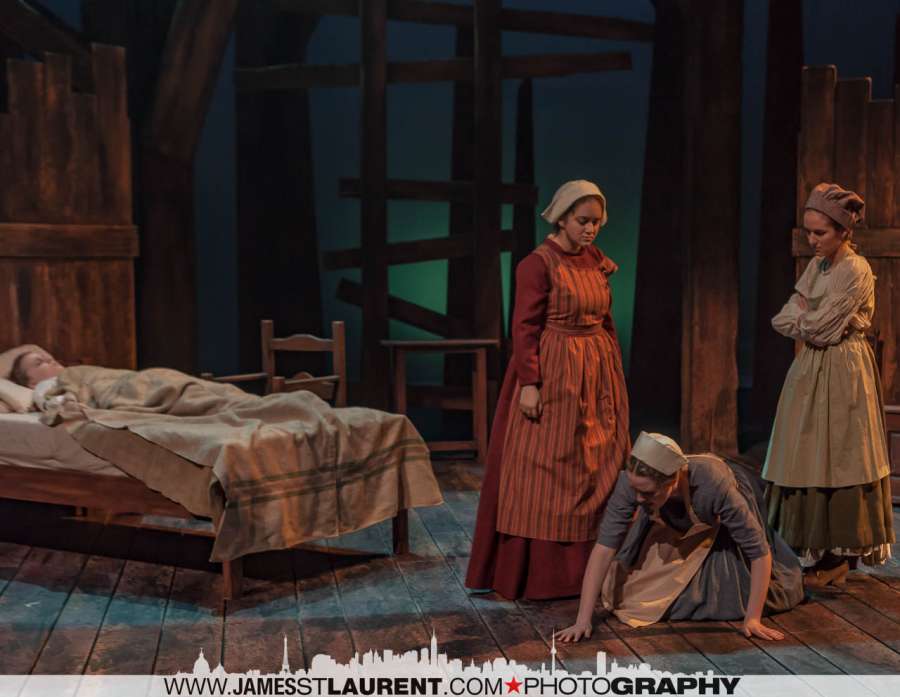


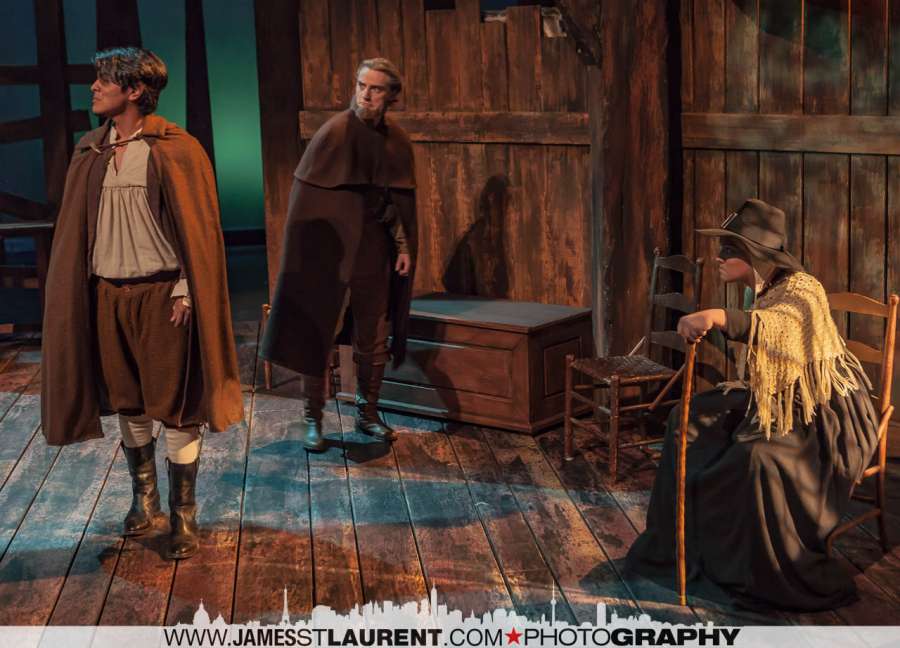


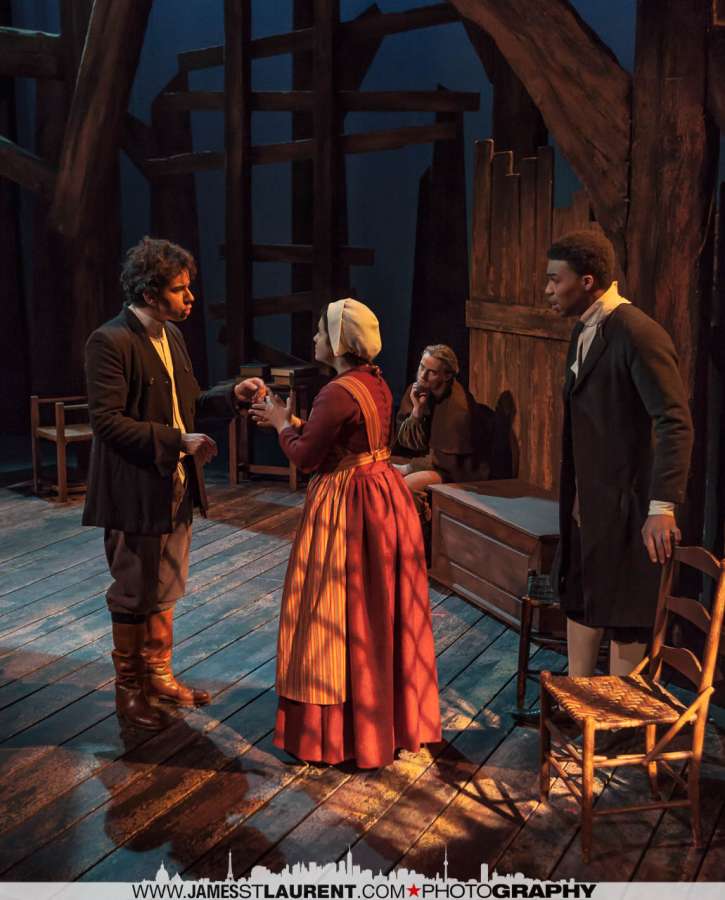


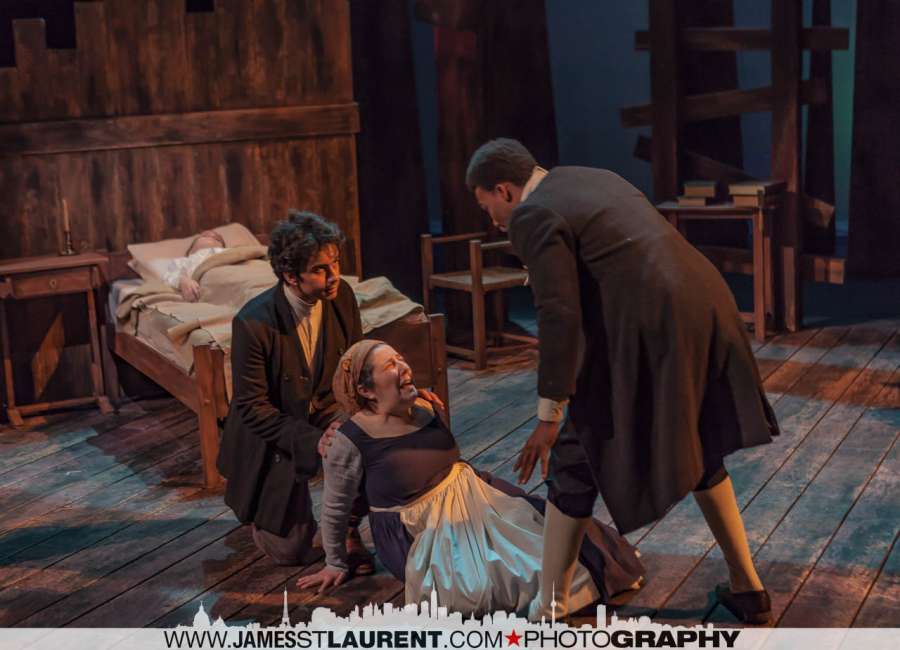











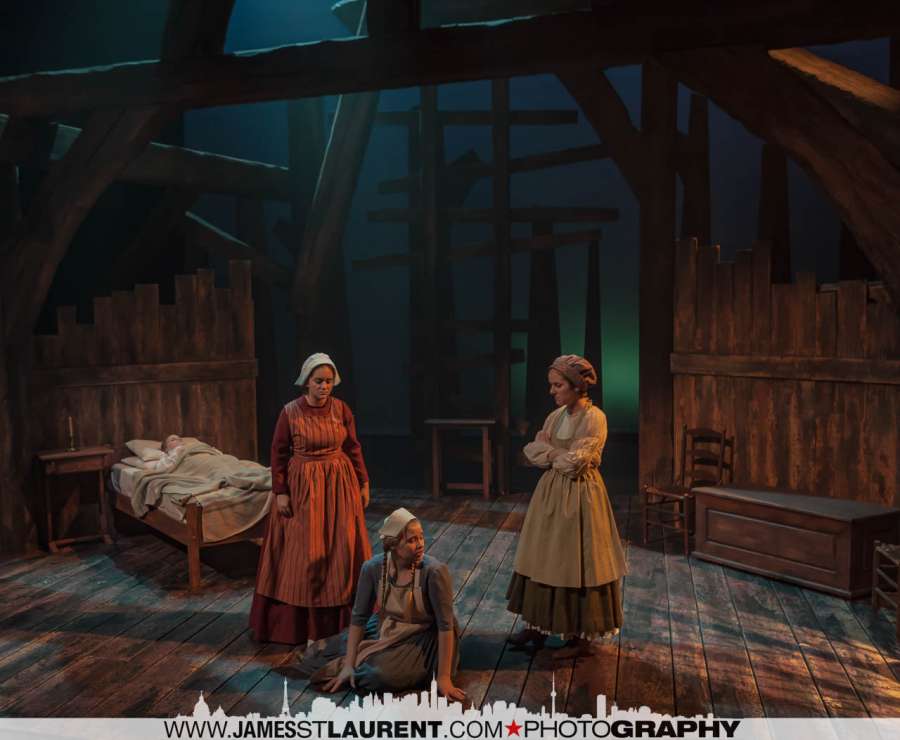
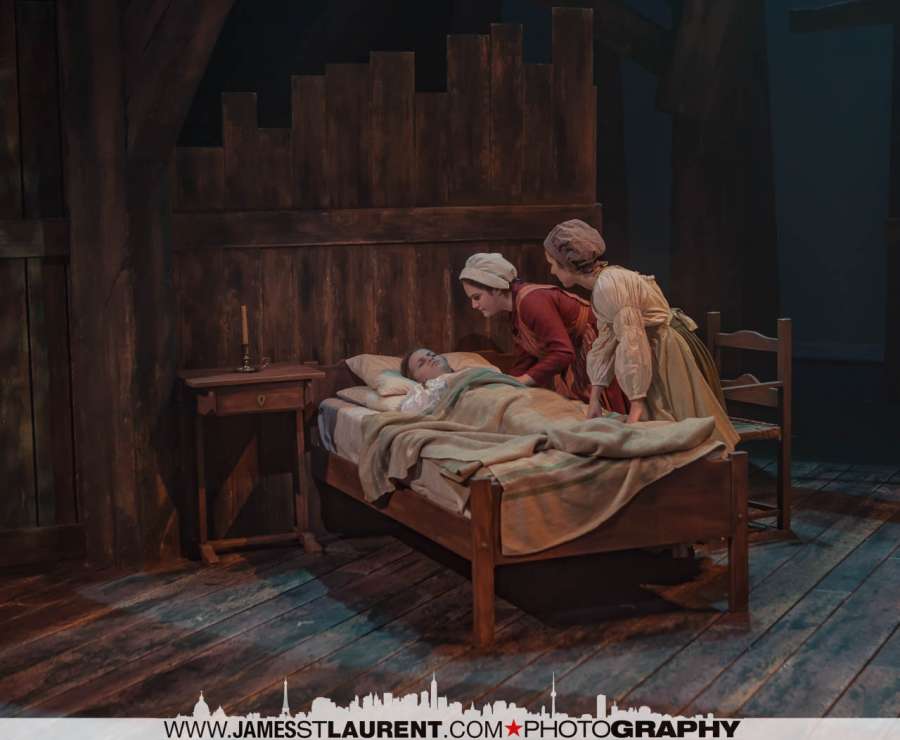
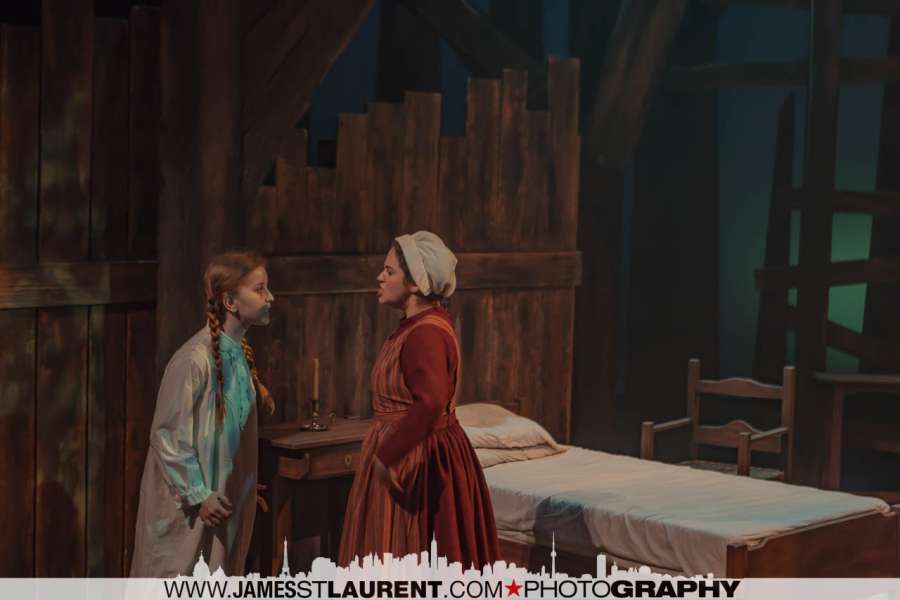
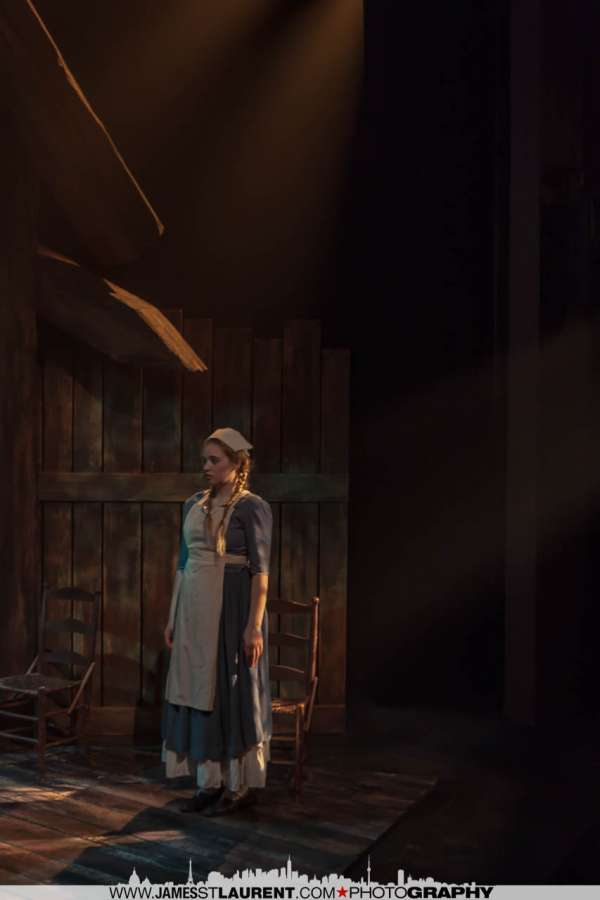

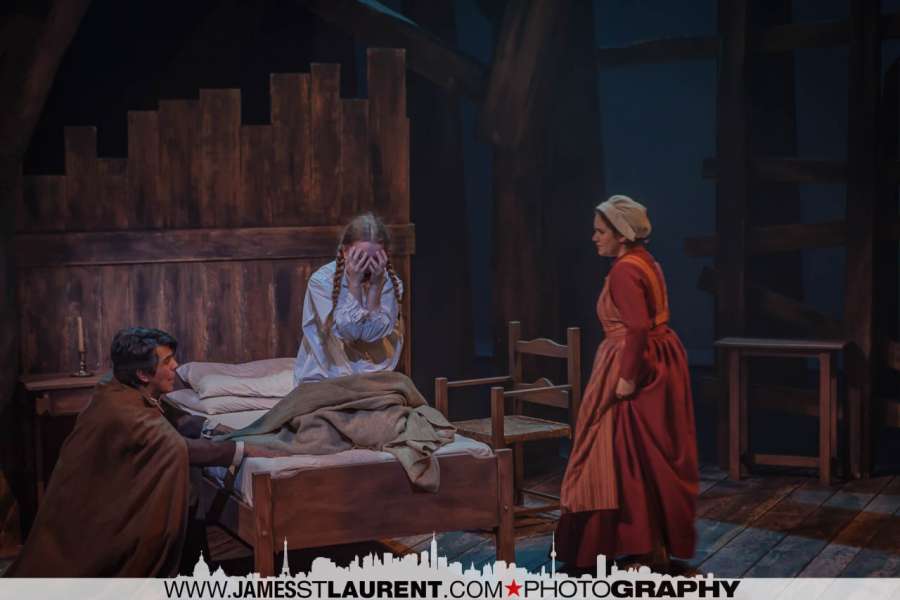

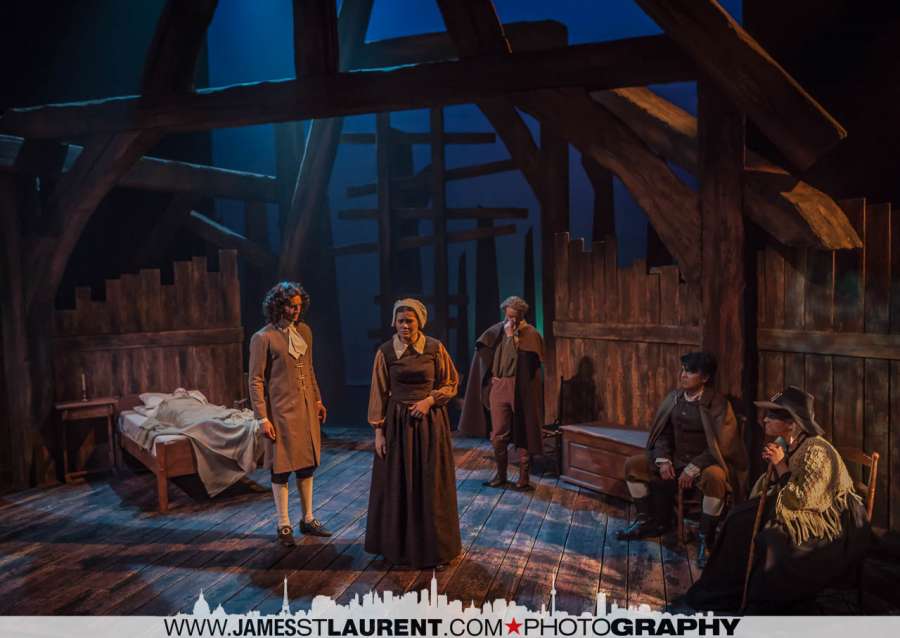
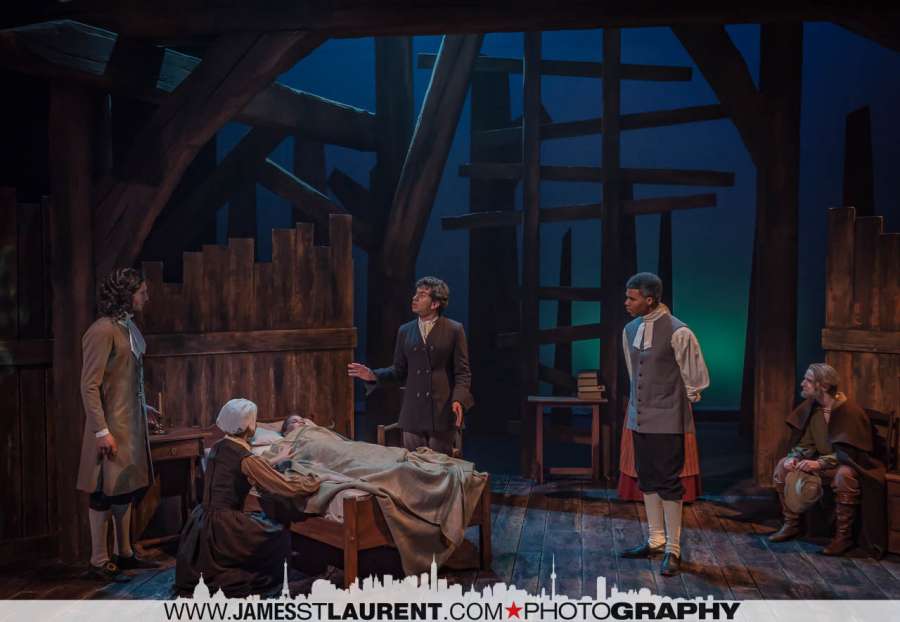
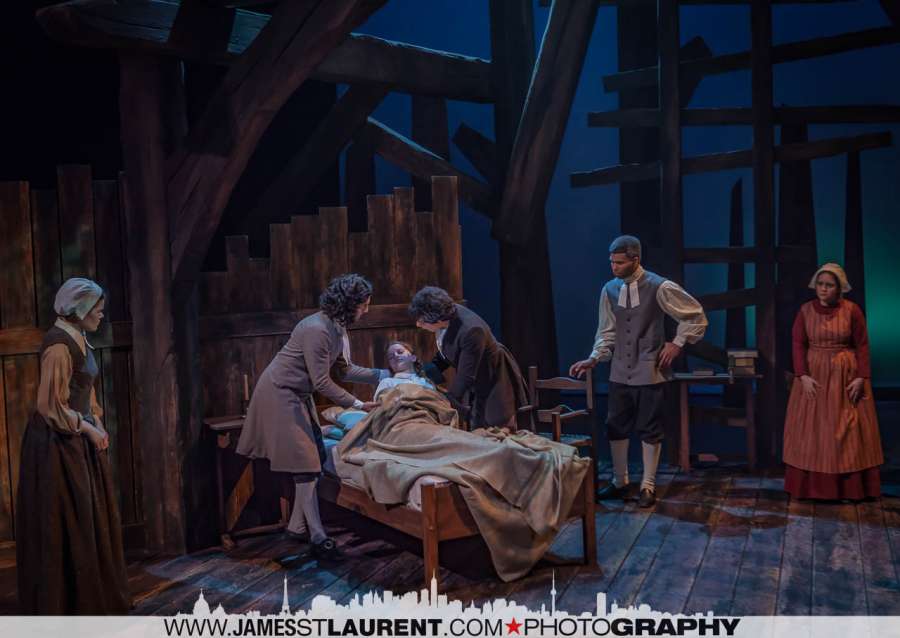
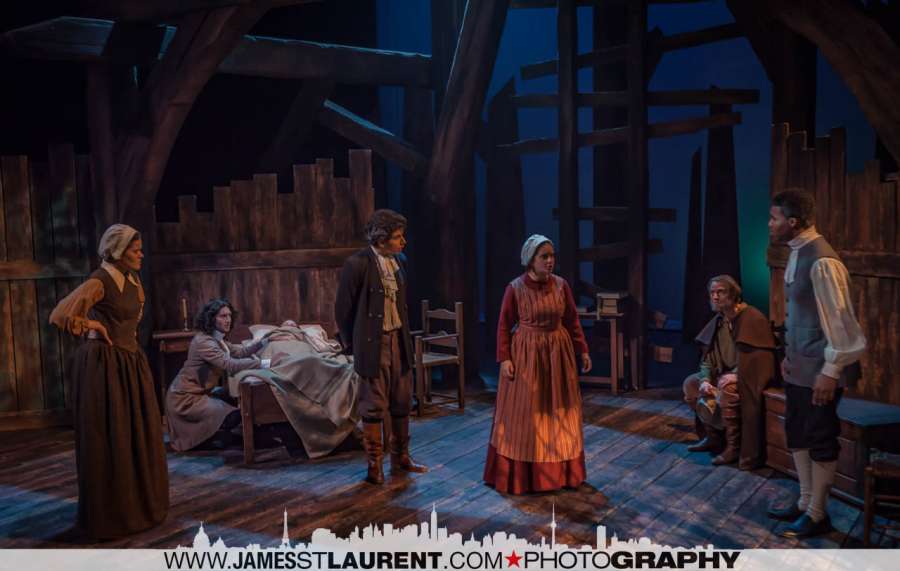
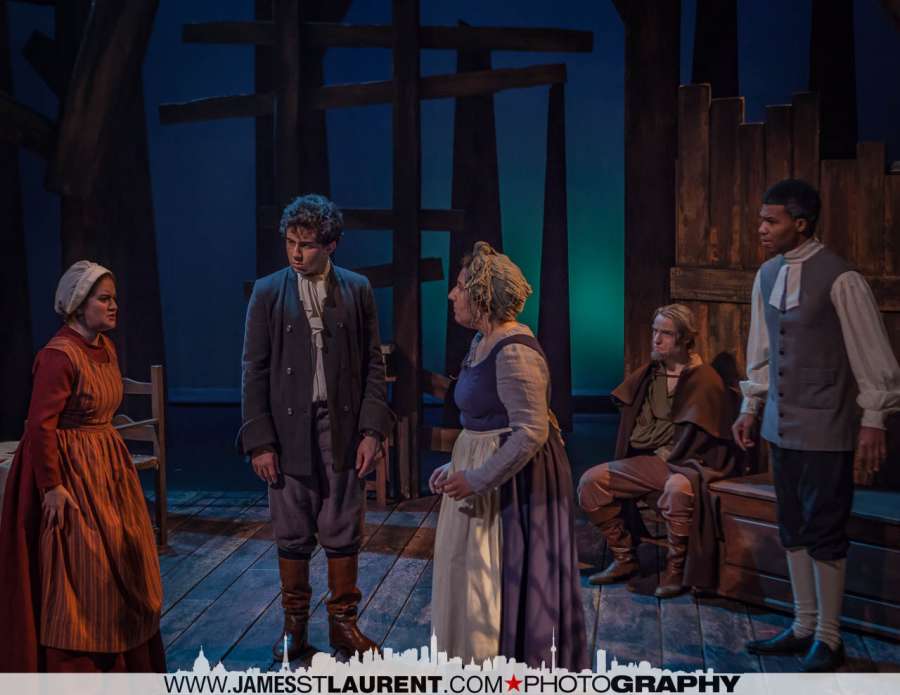
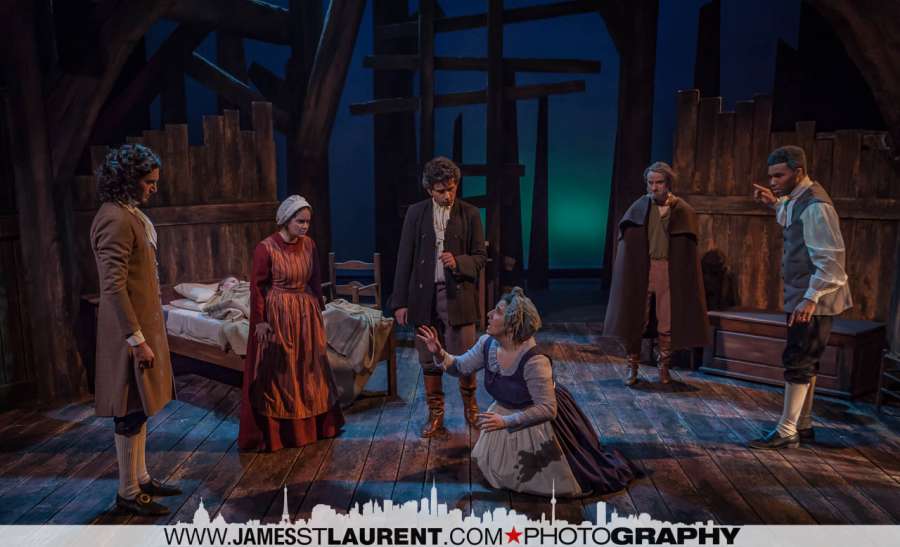
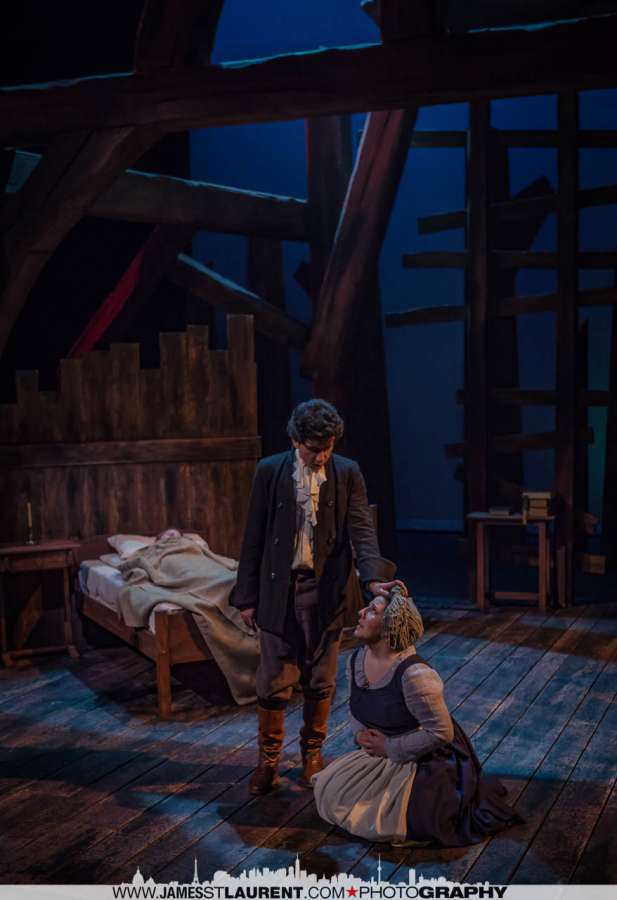



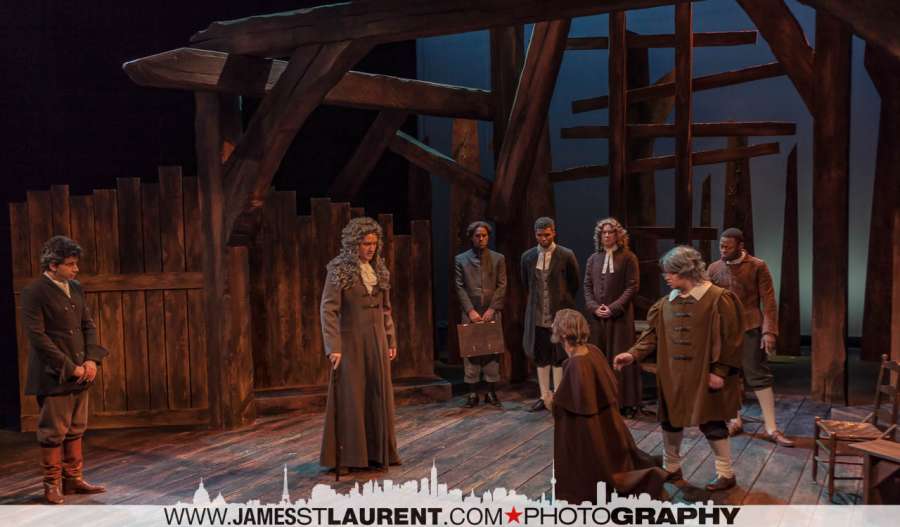
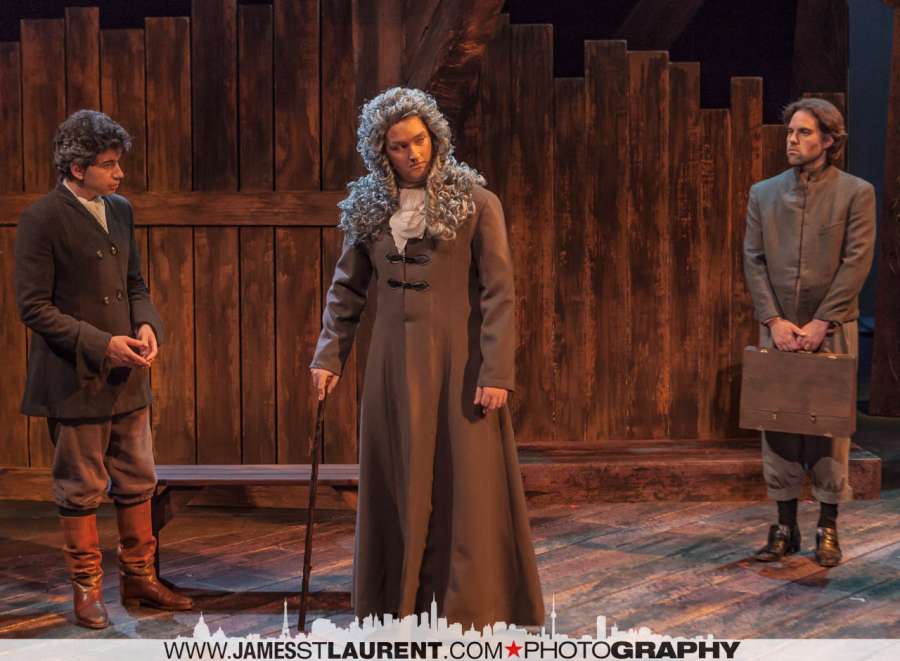
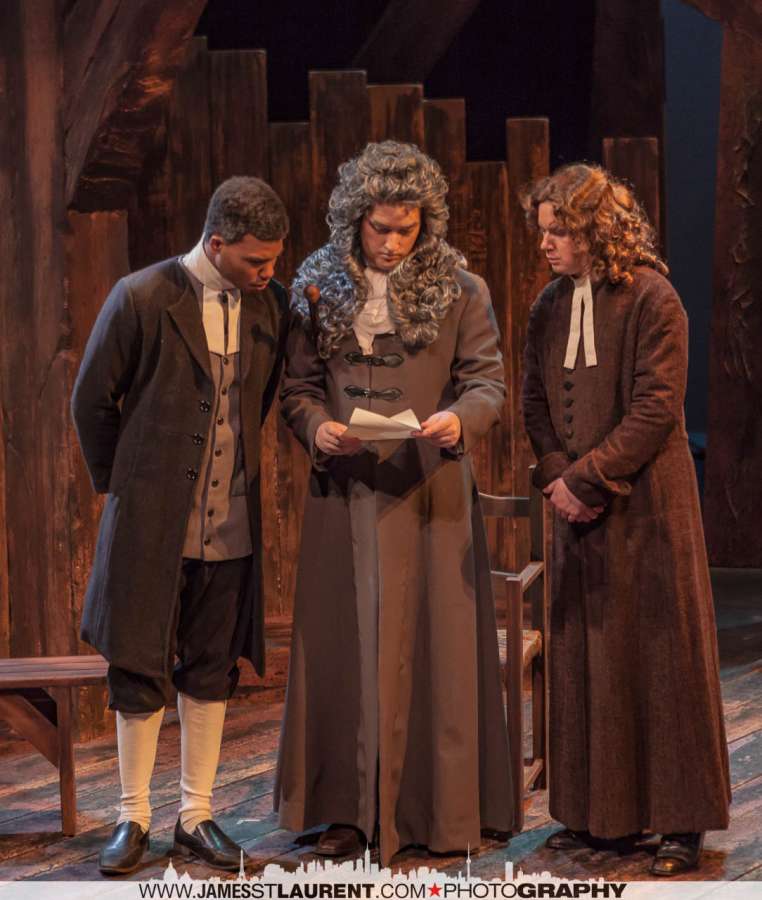
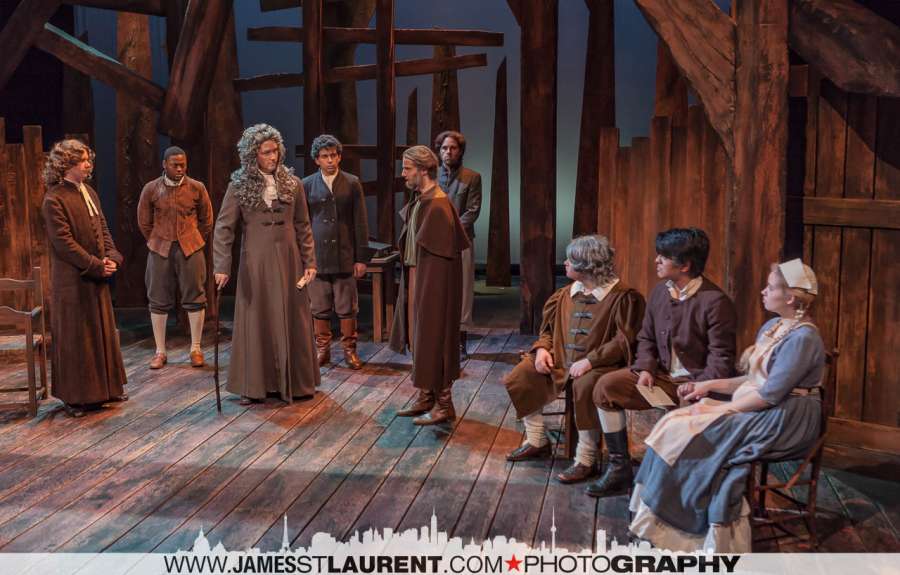
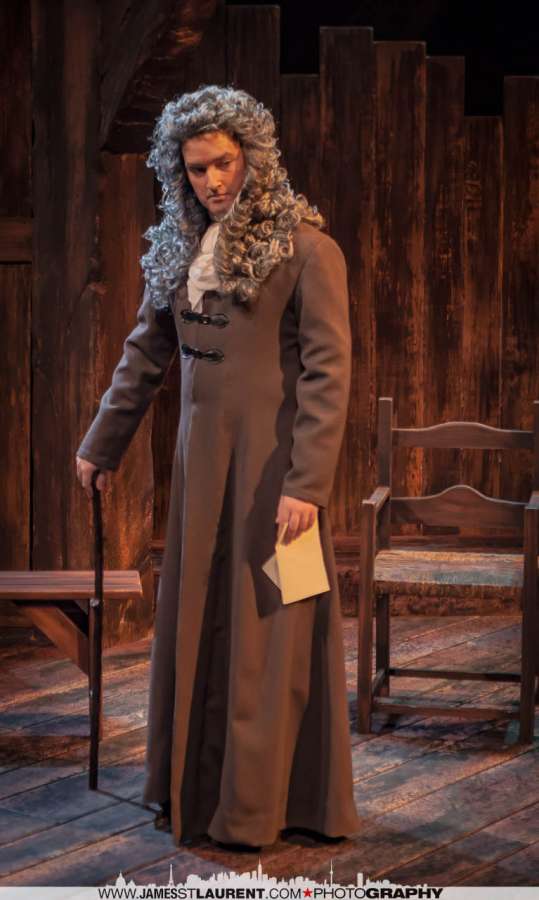

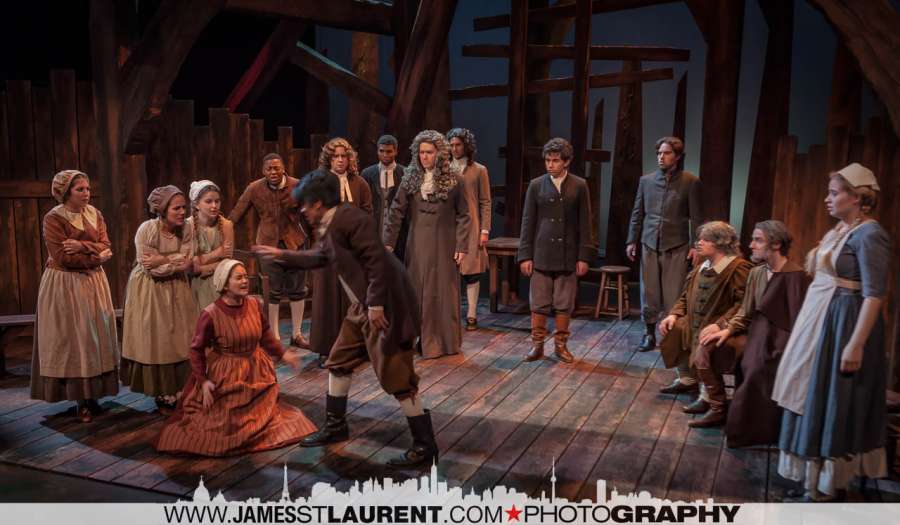

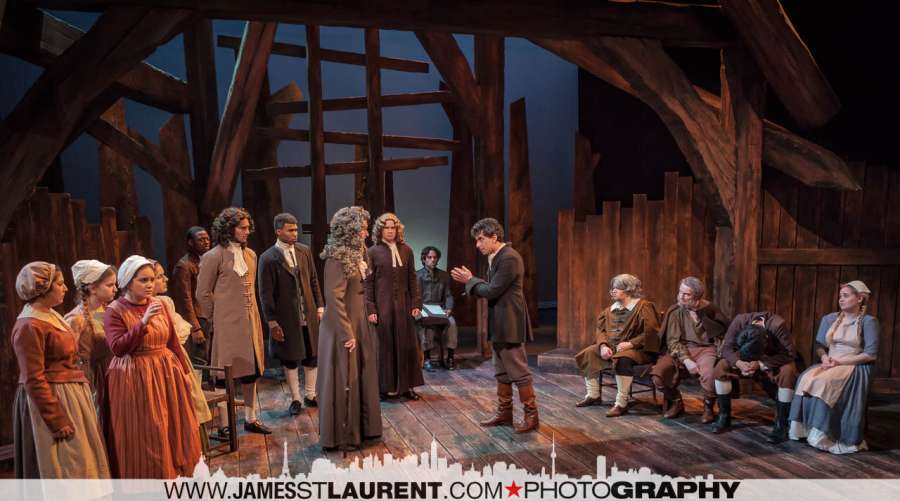
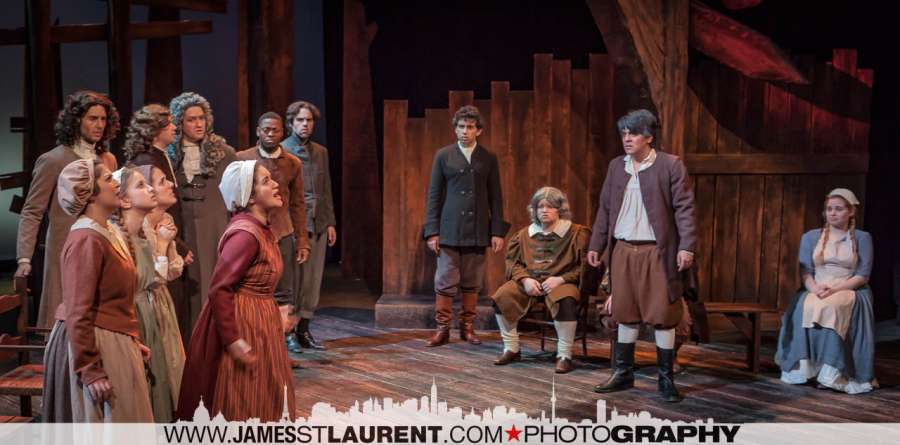


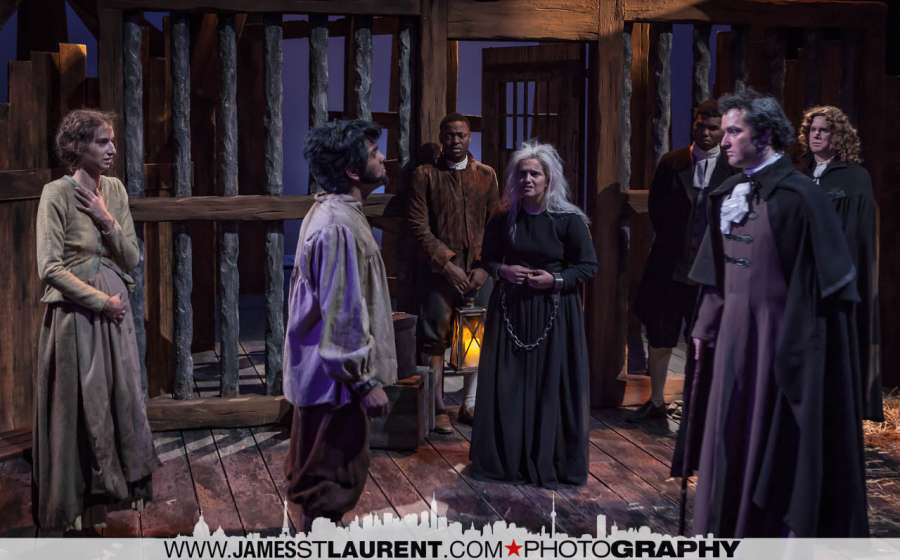
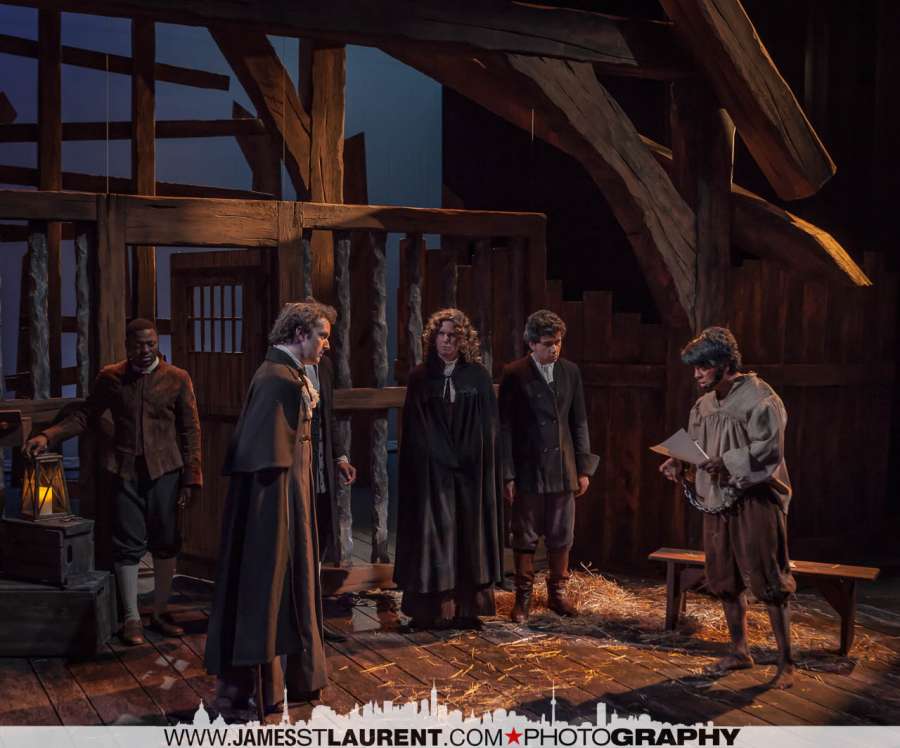


Why I wrote “The Crucible” By Arthur Miller
John Abbott College Department of Theatre and Music
The Gut Girls Production – Photos at John Abbott College Theatre
The John Abbott Theatre Department, is my alma-matter and the first student production I worked on was The Devils, a John Whiting play, that also takes place in the 17th century, but in France and also deals with similar “devil and witchcraft” issues. The Crucible is the first time I returned back to John Abbott Theatre, now in the capacity as a photographer. I thought there was an odd karma or irony at work!


